Dombivli East
08048034772
+919321679769

Treatment

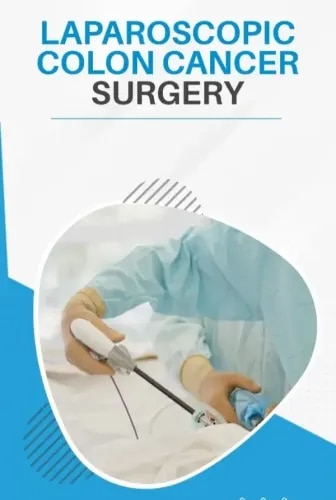
Laparoscopic Colon Cancer Surgery

Laparoscopic Colon Cancer Surgery, also known as minimally invasive or keyhole surgery, is a modern surgical approach used to treat colon cancer. To understand laparoscopic colon cancer surgery, it’s essential to grasp what colon cancer is, why surgery is necessary for its treatment, and the different types of surgeries available. What is Colon Cancer? Colon cancer, also referred to as colorectal cancer, originates in the large intestine (colon) or rectum. It typically begins as small, noncancerous clumps of cells known as adenomatous polyps. Over time, these polyps can develop into cancer. Colon cancer is one of the most common types of cancer globally, with risk factors including age, family history, diet, and certain hereditary conditions. Symptoms of colon cancer may include- Changes in bowel habits (diarrhea, constipation, or changes in stool consistency) Blood in the stool Abdominal discomfort or pain Fatigue and weakness Unexplained weight loss Why Surgery is Needed for Colon Cancer? Surgery is often the primary treatment for colon cancer. The primary goal of surgery is to remove the cancerous growth along with a portion of healthy tissue to ensure complete removal and reduce the risk of recurrence. In some cases, surgery may also be followed by additional treatments such as chemotherapy or radiation therapy to further eradicate any remaining cancer cells. Surgery is particularly essential in colon cancer for several reasons: Curative Intent: Surgery aims to remove the cancerous tissue, especially in early-stage cancers, with the intent of curing the disease. Prevention of Spread: Removing the tumor and surrounding tissue reduces the risk of cancer spreading to other parts of the body. Symptom Relief: Surgery can alleviate symptoms such as bleeding, obstruction, or pain caused by the tumor. Improved Survival: Successful surgery followed by appropriate adjuvant therapy can significantly improve long-term survival rates. Types of Colon Cancer Surgeries- Colectomy: This is the most common surgical procedure for colon cancer. It involves removing a portion of the colon affected by cancer along with nearby lymph nodes. The remaining healthy sections of the colon are then reconnected. The extent of the colectomy depends on the size and location of the tumor. Laparoscopic or Minimally Invasive Surgery: In laparoscopic colon cancer surgery, small incisions are made in the abdomen through which a laparoscope (a thin, flexible tube with a camera) and surgical instruments are inserted. The surgeon uses these instruments to perform the operation while viewing a magnified image of the surgical site on a monitor. Laparoscopic surgery offers benefits such as smaller incisions, reduced pain, faster recovery, and shorter hospital stays compared to traditional open surgery. Robotic-Assisted Surgery: This is a variation of laparoscopic surgery where the surgeon controls robotic arms equipped with surgical instruments. The robotic system provides enhanced precision and dexterity, allowing for more complex surgeries with improved outcomes. Hemicolectomy: In cases where the cancer is confined to one side of the colon, a hemicolectomy may be performed. This involves removing either the right or left side of the colon, along with nearby lymph nodes. Total Colectomy: In rare cases, when cancer affects a significant portion of the colon or there are multiple tumors, a total colectomy may be necessary. This involves removing the entire colon and rectum, with the small intestine then connected to an opening in the abdominal wall (ileostomy) or reattached to the rectum (ileoanal anastomosis). Palliative Surgery: In advanced cases where the cancer cannot be completely removed, surgery may be performed to relieve symptoms, such as bowel obstruction or bleeding, and improve quality of life. Benefits of Laparoscopic Colon Cancer Surgery- Minimally Invasive: Laparoscopic surgery requires smaller incisions compared to traditional open surgery, resulting in less trauma to the surrounding tissues and organs. Faster Recovery: Patients undergoing laparoscopic colon cancer surgery typically experience less postoperative pain, shorter hospital stays, and faster recovery times compared to open surgery. Reduced Risk of Complications: Minimally invasive techniques may lower the risk of surgical complications such as infection, blood loss, and incisional hernias. Improved Cosmesis: Smaller incisions result in less noticeable scars and improved cosmetic outcomes for patients. Laparoscopic Colon Cancer Surgery is a safe and effective treatment option for patients with colon cancer, offering numerous benefits including faster recovery, reduced pain, and comparable oncological outcomes compared to traditional open surgery. However, the choice of surgical approach should be individualized based on factors such as the stage and location of the cancer, patient’s overall health, and surgeon’s expertise.

Coloproctology

Coloproctology, also known as colorectal surgery or proctology, is a specialized field of medicine focused on the diagnosis and treatment of disorders affecting the colon, rectum, and anus. It combines elements of both general surgery and gastroenterology to address a wide range of conditions, including but not limited to colorectal cancer, inflammatory bowel disease (such as Crohn’s disease and ulcerative colitis), hemorrhoids, anal fissures, fistulas, rectal prolapse, and fecal incontinence. Goals of Coloproctology Diagnosis: One of the primary goals of coloproctology is to accurately diagnose various colorectal disorders through a combination of medical history, physical examination, endoscopic procedures (such as colonoscopy and sigmoidoscopy), imaging studies (like MRI, CT scans), and laboratory tests (including blood tests and stool tests). Treatment: Another important goal is to provide effective treatment options tailored to the specific condition and needs of the patient. Treatment modalities can range from medications and lifestyle modifications to surgical interventions, such as colorectal resection, hemorrhoidectomy, fistulotomy, sphincterotomy, and others. Improving Quality of Life: Coloproctologists aim to improve patients’ quality of life by alleviating symptoms, reducing pain and discomfort, and restoring normal bowel function whenever possible. Diseases Treated by Coloproctology Coloproctologist or Laparoscopic Gastrointestinal Surgeon treats a wide range of diseases, including- Hemorrhoids: Swollen and inflamed veins in the rectum and anus. Anal Fissures: Tears or cracks in the lining of the anus, causing pain and bleeding during bowel movements. Colorectal Cancer: Cancerous growths in the colon or rectum. Inflammatory Bowel Disease (IBD): Chronic inflammatory conditions of the digestive tract, including Crohn’s disease and ulcerative colitis. Diverticulitis: Inflammation or infection of small pouches (diverticula) in the digestive tract. Fecal Incontinence: Inability to control bowel movements, leading to involuntary leakage of stool. Anal Fistulas: Abnormal passages that form between the anus and the skin surrounding the anus. Rectal Prolapse: When part or all of the rectum protrudes from the anus. Colonic Polyps: Abnormal growths on the inner lining of the colon or rectum. Irritable Bowel Syndrome (IBS): A chronic disorder affecting the large intestine, characterized by abdominal pain, bloating, and changes in bowel habits. Scope of Coloproctology The scope of coloproctology encompasses the following areas- Colorectal Cancer: Screening, diagnosis, staging, and treatment of colorectal cancer, including surgery, chemotherapy, radiation therapy, and immunotherapy. Inflammatory Bowel Disease (IBD): Management of Crohn’s disease and ulcerative colitis, including medical therapy, endoscopic procedures, and surgical interventions when necessary. Anorectal Disorders: Diagnosis and treatment of conditions affecting the anus and rectum, such as hemorrhoids, anal fissures, anal fistulas, perianal abscesses, and fecal incontinence. Functional Bowel Disorders: Assessment and management of functional bowel disorders, including irritable bowel syndrome (IBS) and pelvic floor dysfunction. Pelvic Floor Disorders: Evaluation and treatment of pelvic floor disorders, such as rectal prolapse, rectocele, and pelvic floor dysfunction causing constipation or fecal incontinence. Why Coloproctology is Used Coloproctology is utilized for various reasons- Diagnostic Purposes: It is used to diagnose and identify the underlying causes of symptoms such as rectal bleeding, changes in bowel habits, abdominal pain, and anal discomfort. Therapeutic Interventions: Coloproctology offers a wide range of therapeutic interventions to manage and treat colorectal disorders effectively, including both conservative and surgical approaches. Preventive Care: Screening for colorectal cancer and precancerous conditions, such as polyps, is an essential aspect of coloproctology aimed at early detection and prevention of colorectal malignancies. Benefits of Coloproctology Improved Health Outcomes: By accurately diagnosing and effectively treating colorectal disorders, coloproctology helps improve patients’ overall health outcomes and quality of life. Minimally Invasive Techniques: Advances in coloproctological techniques, such as laparoscopic and robotic-assisted surgery, allow for minimally invasive procedures, resulting in shorter hospital stays, faster recovery times, and reduced postoperative pain. Multidisciplinary Approach: Coloproctology often involves collaboration with other medical specialties, including oncology, gastroenterology, radiology, and pathology, to provide comprehensive care and tailored treatment plans for complex cases. Patient Education and Support: Coloproctologist or Laparoscopic Gastrointestinal Surgeon provides patient education and support, empowering individuals to actively participate in their treatment decisions, manage their condition effectively, and adopt healthy lifestyle habits. Overall, coloproctology plays a critical role in diagnosing, managing, and treating a wide range of colorectal conditions, with the ultimate goal of improving patients’ quality of life and outcomes.

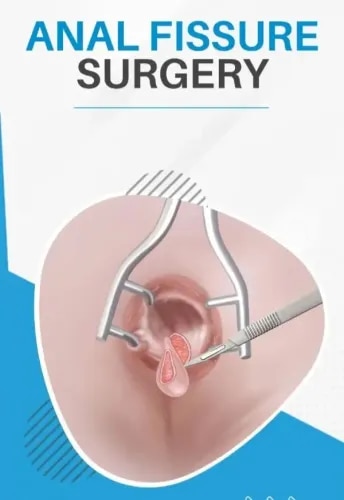
Anal Fissure Surgery

An Anal Fissure is a small tear or cut in the lining of the anus. It can cause pain, bleeding during bowel movements, and discomfort, making it a distressing condition for those affected. Anal fissures often occur due to trauma to the anal canal, typically from passing hard or large stools. Other causes may include chronic constipation or diarrhea, childbirth, or inflammatory bowel disease. Why Surgery is Needed for Anal Fissure? In many cases, anal fissures can heal on their own with conservative treatments such as dietary changes, stool softeners, and topical medications. However, some fissures become chronic or fail to heal despite these measures. Chronic anal fissures are characterized by persistent symptoms lasting for more than six weeks and often require more aggressive treatment, including surgery. Surgery may be recommended when conservative measures have been ineffective or when the fissure is severe and causes significant pain or bleeding. Types of Anal Fissure Surgery- Lateral Internal Sphincterotomy (LIS) This is the most common surgical procedure performed for chronic anal fissures. During a lateral internal sphincterotomy, the surgeon makes a small incision in the internal anal sphincter muscle, which is the muscle that controls the opening and closing of the anus. By cutting this muscle, the sphincter is relaxed, allowing better blood flow to the fissure area and promoting healing. This procedure is usually done under local or general anesthesia and is associated with high success rates and low recurrence rates. Fissurectomy A fissurectomy involves the surgical removal of the anal fissure itself. This procedure is often performed in conjunction with other surgical techniques, such as a sphincterotomy or advancement flap repair, to ensure complete healing. During a fissurectomy, the surgeon excises the damaged tissue of the fissure and may also remove a small portion of the surrounding healthy tissue to promote healing. Advancement Flap Repair In cases where the anal sphincter muscle needs to be preserved, advancement flap repair may be performed. During this procedure, the surgeon creates a flap of healthy tissue near the anus and advances it over the site of the fissure to cover the area and promote healing. This technique is particularly useful for complex or recurrent anal fissures and helps to maintain anal sphincter function. Anal fissure surgery is a highly effective treatment option for chronic or severe anal fissures that do not respond to conservative measures. Various surgical techniques are available, including lateral internal sphincterotomy, fissurectomy, advancement flap repair, and botulinum toxin injection, each tailored to the individual patient’s needs and the severity of their condition. It’s essential for individuals considering surgery to discuss their options thoroughly with a qualified healthcare professional to determine the most appropriate treatment plan for their specific situation.

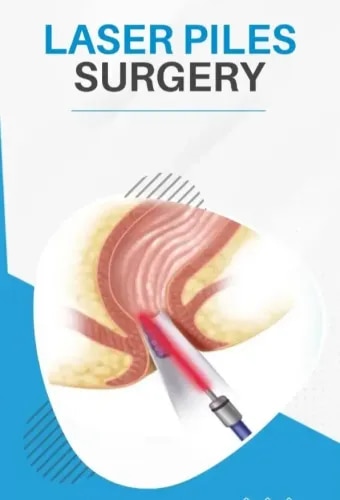
Laser Piles Surgery

Laser Piles Surgery, also known as Laser Hemorrhoidoplasty or Laser Hemorrhoidectomy, is a minimally invasive surgical procedure used to treat hemorrhoids, which are swollen veins in the rectum or anus that can cause discomfort, pain, bleeding, itching, and other symptoms. This procedure involves the use of a specialized laser to precisely target and remove hemorrhoidal tissue, providing relief to the patient. Benefits of Laser Piles Surgery- Minimally Invasive: Laser piles surgery is minimally invasive, meaning it involves smaller incisions or no incisions at all compared to traditional surgical methods. This results in less tissue damage, reduced post-operative pain, and faster recovery times. Precision: The use of laser technology allows for precise targeting of hemorrhoidal tissue, minimizing damage to surrounding healthy tissue. This precision helps reduce the risk of complications and improves surgical outcomes. Reduced Bleeding: Laser energy cauterizes blood vessels as it cuts, leading to reduced bleeding during and after the procedure. This is particularly beneficial for patients with bleeding hemorrhoids, as it helps control bleeding and promotes quicker healing. Less Discomfort: Since laser piles surgery causes less trauma to the anal region compared to traditional surgery, patients typically experience less post-operative pain and discomfort. This makes the recovery process more tolerable and allows for a quicker return to normal activities. Lower Risk of Complications: The minimally invasive nature of laser piles surgery is associated with a lower risk of complications such as infection, scarring, and fecal incontinence compared to traditional surgical methods. Outpatient Procedure: Laser piles surgery is often performed on an outpatient basis, eliminating the need for hospitalization and allowing patients to return home the same day. This reduces healthcare costs and inconvenience associated with hospital stays. Here's a detailed overview of the procedure- Pre-operative Assessment Before undergoing laser piles surgery, the patient typically undergoes a thorough evaluation by a colorectal surgeon or a proctologist. This assessment may involve a physical examination, including a digital rectal exam, and possibly other diagnostic tests such as anoscopy, sigmoidoscopy, or colonoscopy to evaluate the extent and severity of the hemorrhoids. Anesthesia Laser piles surgery can be performed under local anesthesia with sedation or general anesthesia, depending on the patient’s preference and the surgeon’s recommendation. Procedure Steps Positioning: The patient is positioned comfortably on an operating table, usually lying on their side or in a lithotomy position (lying on the back with legs elevated and knees bent). Application of Anesthetic: If local anesthesia is used, the surgeon injects anesthetic medication into the perianal area to numb the region and minimize discomfort during the procedure. Insertion of Laser Fiber: A specialized surgical laser device is introduced into the anal canal. The laser fiber is then carefully positioned to target the hemorrhoidal tissue. Laser Energy Application: The surgeon delivers controlled bursts of laser energy to the hemorrhoids. The laser energy precisely vaporizes and removes the swollen tissue while simultaneously sealing blood vessels to minimize bleeding. Hemorrhoid Removal and Hemostasis: As the laser energy is applied, the hemorrhoidal tissue is gradually removed. The laser also promotes hemostasis, reducing the risk of bleeding during and after the procedure. Closure of Wounds: Once the hemorrhoidal tissue is treated, any remaining wounds or incisions may be closed using sutures or left to heal naturally. Post-operative Care After the procedure, patients are typically monitored in a recovery area for a short period to ensure stability. Pain management medications may be prescribed to alleviate discomfort during the initial recovery period. Patients are usually advised to follow a soft diet and maintain good hygiene to promote healing and reduce the risk of infection. Most individuals can resume normal activities within a few days to a week, although strenuous activities and heavy lifting should be avoided for a few weeks. Laser Piles Surgery offers several advantages over traditional surgical methods, including minimally invasive techniques, precision, reduced bleeding and discomfort, lower risk of complications, and faster recovery times. These benefits make it a preferred option for many patients seeking effective treatment for hemorrhoids. However, it’s essential for individuals considering laser piles surgery to consult with a qualified healthcare provider to determine if they are suitable candidates for the procedure.

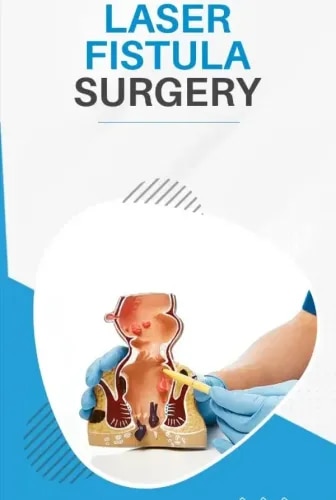
Laser Fistula Surgery

Laser Fistula Surgery Laser Fistula Surgery, also known as Laser Fistulotomy or Laser Ablation Of Fistula, is a minimally invasive surgical procedure used to treat anal fistulas. Anal fistulas are abnormal connections or passageways between the anal canal or rectum and the skin around the anus. These fistulas typically result from an infection in an anal gland, causing an abscess to form, which then leads to the development of a tract or tunnel. There are several benefits of laser fistula surgery over traditional surgical techniques- Minimally Invasive: Laser fistula surgery is minimally invasive compared to traditional open surgery. It involves making smaller incisions or sometimes no external incisions at all, resulting in less tissue damage and faster recovery times. Reduced Pain and Discomfort: Because laser fistula surgery is less invasive, it typically causes less pain and discomfort during and after the procedure. Patients may experience less post-operative pain, swelling, and bruising compared to traditional surgery. Faster Recovery: The minimally invasive nature of laser fistula surgery allows for quicker recovery times. Many patients are able to return to their normal activities sooner, with less downtime required for recuperation. Lower Risk of Complications: Laser fistula surgery carries a lower risk of complications such as infection, bleeding, and incontinence compared to traditional open surgery. The precision of the laser allows for targeted treatment of the fistula tract while minimizing damage to surrounding healthy tissue. Outpatient Procedure: Laser fistula surgery is often performed on an outpatient basis, meaning patients can typically go home the same day as the procedure. This reduces hospital stays and associated costs. High Success Rates: Studies have shown that laser fistula surgery can be highly effective in treating anal fistulas, with high rates of fistula closure and low rates of recurrence. Laser fistula surgery involves the use of laser technology to precisely cut and seal the fistula tract. The procedure is typically performed under local or general anesthesia, depending on the location and complexity of the fistula. Here’s a detailed overview of the steps involved in laser fistula surgery- Patient Preparation: Before the surgery, the patient undergoes a thorough evaluation, which may include imaging studies such as MRI (magnetic resonance imaging) or CT (computed tomography) scans to assess the location and extent of the fistula. Anesthesia: The patient is administered either local or general anesthesia based on the surgeon’s recommendation and the patient’s preferences and medical condition. Accessing the Fistula: The surgeon gains access to the fistula tract either through natural openings or by creating small incisions near the site of the fistula. In some cases, specialized instruments such as an anoscope or proctoscope may be used to visualize the fistula tract. Laser Application: A specialized surgical laser device is introduced into the fistula tract. The laser emits highly concentrated light energy, which is directed precisely to the tissues surrounding the fistula. The surgeon uses the laser to cut through the tissues along the fistula tract while simultaneously sealing blood vessels and minimizing bleeding. Tract Excision: As the laser progresses along the fistula tract, it vaporizes the tissues, effectively removing the entire tract. The goal is to completely eliminate the abnormal connection between the affected organs or structures. Closure and Healing: Once the entire fistula tract is excised, the surgical site is thoroughly irrigated to remove any debris or residual tissue. Depending on the size and location of the fistula, the wound may be left open to heal naturally or closed with sutures or surgical glue. Postoperative Care: After the surgery, the patient is monitored closely in the recovery area. Pain medications and antibiotics may be prescribed to manage pain and prevent infection. Patients are typically advised to follow a specific diet and activity restrictions to promote healing. However, it’s important to note that laser fistula surgery may not be suitable for all types of fistulas or patients. The decision to undergo this procedure should be made in consultation with a qualified surgeon, who can assess the individual’s condition and determine the most appropriate treatment approach.

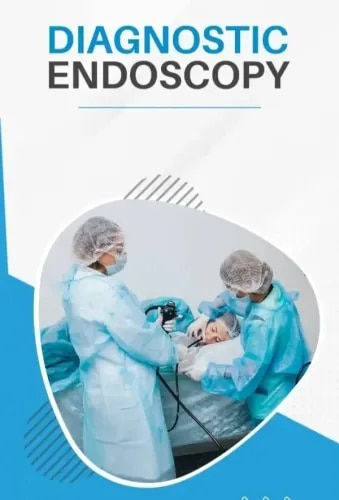
Diagnostic Endoscopy

Diagnostic Endoscopy: Exploring Procedures, Benefits, and Types Diagnostic endoscopy is a medical procedure that allows physicians to examine the interior lining of various organs and cavities within the body using a thin, flexible tube called an endoscope. This instrument is equipped with a light and a camera that enables doctors to visualize the structures and detect any abnormalities or diseases present. Why is Diagnostic Endoscopy Done? Diagnostic endoscopy is performed for various reasons, including- •Investigation of Symptoms: It helps in diagnosing the cause of symptoms such as abdominal pain, gastrointestinal bleeding, difficulty swallowing, persistent cough, and more. •Screening for Diseases: Diagnostic endoscopy can be used as a screening tool for detecting conditions like colorectal cancer, esophageal cancer, stomach ulcers, and polyps in the colon. •Monitoring Treatment: It allows doctors to monitor the progress of treatment for certain conditions, such as inflammatory bowel disease or gastroesophageal reflux disease (GERD). •Biopsy: During the procedure, tissue samples (biopsies) can be collected for further analysis to confirm a diagnosis or evaluate the severity of a disease. Types of Diagnostic Endoscopy There are several types of diagnostic endoscopic procedures, each tailored to examine specific areas of the body- •Upper Endoscopy (Esophagogastroduodenoscopy or EGD): This procedure examines the esophagus, stomach, and duodenum (the first part of the small intestine). •Colonoscopy: It involves the examination of the large intestine (colon) and rectum. •Bronchoscopy: This procedure is used to visualize the airways and lungs. •Cystoscopy: It examines the bladder and urethra. •Laryngoscopy: It involves the examination of the larynx (voice box) and throat. Benefits of Diagnostic Endoscopy Accurate Diagnosis: Diagnostic endoscopy provides detailed and direct visualization of internal organs, enabling accurate diagnosis of various medical conditions. Minimally Invasive: Compared to traditional surgical procedures, endoscopy is minimally invasive, leading to less discomfort, shorter recovery times, and reduced risk of complications. Early Detection: Endoscopic screening allows for the early detection of diseases such as cancer, which can significantly improve treatment outcomes and survival rates. Customized Treatment Plans: With precise diagnostic information obtained from endoscopic procedures, doctors can develop personalized treatment plans tailored to each patient’s needs. Avoidance of Surgery: In many cases, endoscopy can help avoid the need for exploratory surgery by providing essential diagnostic information without invasive procedures. At Jeevanshree Hospital, we ensure that you receive the highest quality diagnostic endoscopy services in a comfortable and compassionate environment. Contact us today to schedule your consultation and take the first step towards better health.

Therapeutic Endoscopy Surgery

Therapeutic Endoscopy Surgery : Exploring Procedures, Benefits, and Types At Jeevanshree Hospital, we specialize in providing state-of-the-art therapeutic endoscopy surgery, offering cutting-edge solutions for various gastrointestinal conditions. Our gastroenterologist surgeon is committed to delivering personalized care and exceptional outcomes for our patients. Therapeutic Endoscopy Surgery involves the use of endoscopic techniques to diagnose and treat a wide range of gastrointestinal disorders. It employs minimally invasive procedures that utilize a flexible, thin tube with a camera and specialized instruments to access and treat internal organs, allowing for precise interventions with minimal discomfort and shorter recovery times compared to traditional surgery. Why is it Done? Therapeutic endoscopy surgery is performed for various reasons, including- •Diagnostic Purposes: To investigate symptoms such as abdominal pain, difficulty swallowing, gastrointestinal bleeding, or abnormal imaging findings. •Treatment of Conditions: To treat conditions such as gastrointestinal bleeding, polyps, tumors, strictures, blockages, gastroesophageal reflux disease (GERD), Barrett’s esophagus, and other gastrointestinal disorders. •Palliative Care: To alleviate symptoms and improve quality of life in patients with advanced cancers or other chronic conditions affecting the gastrointestinal tract. Types of Therapeutic Endoscopy Surgery Endoscopic Mucosal Resection (EMR): Used to remove abnormal tissues, such as polyps or early-stage tumors, from the gastrointestinal tract. Endoscopic Submucosal Dissection (ESD): Similar to EMR but allows for the removal of larger lesions with precise dissection techniques. •Endoscopic Retrograde Cholangiopancreatography (ERCP): Used to diagnose and treat conditions of the bile ducts and pancreatic ducts, such as gallstones, strictures, or tumors. •Endoscopic Ultrasound (EUS): Combines endoscopy with ultrasound to visualize and biopsy tissues deep within the gastrointestinal tract, aiding in the diagnosis and staging of cancers. •Endoscopic Stenting: Placement of stents to relieve obstructions or strictures in the esophagus, stomach, or intestines caused by tumors, inflammation, or other conditions. •Endoscopic Hemostasis: Techniques used to stop gastrointestinal bleeding, such as thermal therapy, injection therapy, or mechanical clipping. •Endoscopic Balloon Dilation: Used to widen narrowed areas of the esophagus, stomach, or intestines caused by strictures or scar tissue. Benefits of Therapeutic Endoscopy Surgery Minimally Invasive: Requires smaller incisions or no incisions at all, resulting in less pain, faster recovery, and reduced risk of complications compared to traditional surgery. Precise: Allows for targeted treatment of specific areas within the gastrointestinal tract, minimizing damage to surrounding tissues. •Outpatient Procedures: Many therapeutic endoscopy surgeries can be performed on an outpatient basis, allowing patients to return home the same day. •High Success Rates: Offers high success rates for diagnosis and treatment of gastrointestinal conditions, leading to improved patient outcomes and quality of life. At Jeevanshree Hospital, we are dedicated to providing comprehensive therapeutic endoscopy surgery services tailored to meet the unique needs of each patient. Contact us today to schedule a consultation and learn more about how we can help you achieve optimal gastrointestinal health and well-being

Laparoscopic Hernia Surgery

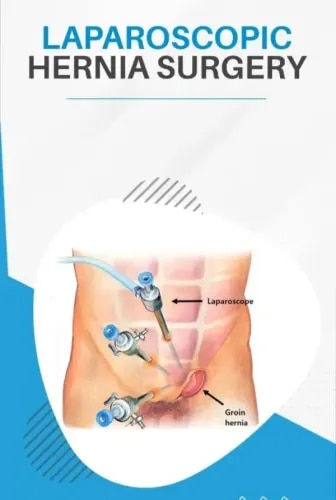
Laparoscopic Hernia Surgery is one of the most advanced surgical procedures mainly used to remove or repair Hernia. It is performed by minimally invasive technique. Laparoscopic Hernia Surgery is also known as Keyhole surgery. Hernia is usually treated with surgery. A Hernia is a bulge or swelling that occurs as an inner body part comes through a weak area of muscle or tissue wall. It most frequently occurs when an organ or internal tissue pokes through a hole or weakness in abdominal muscle wall. In Hernia condition, patient can notice a swelling or lump in the stomach area or groin. Surgeon performs the most appropriate type of laparoscopic surgery based on the location and severity of hernia. Doctor always recommends Laparoscopic Hernia Surgery for inguinal hernias that are causing pain. Types of Hernia Most of the Hernias are found in the abdomen. Hernias are commonly found on the weakness areas in the abdominal wall. These areas include the groin, upper stomach, area of surgical scars and belly button. The most common types of Hernia include: Inguinal Hernias Femoral Hernias Umbilical / Periumbilical hernias Incisional Hernia Goals of Laparoscopic Hernia Surgery: Goals of laparoscopic hernia surgery are: To relive pain To return the hernia abdominal organs to their correct place To strengthen the weak muscle area Procedure of Laparoscopic Hernia Surgery Laparoscopic Hernia Surgery is one of the most common surgical procedures and it is performed by minimally invasive technique. It is primarily used to repair hernia. Laparoscopic Hernia Surgery is more advanced and effective than open surgery. Laparoscopic Hernia Surgery is usually performed under general anesthesia. Before the surgery, surgeon evaluates patient’s general state of health including a patient’s family history, physical exam and an electrocardiogram (EKG). Surgeon makes several smaller incisions near the hernia. Usually incisions are made in or just below the navel. In Laparoscopic Hernia Surgery, surgeon uses a laparoscope which is a thin, telescope like instrument. Surgeon inserts this laparoscope through a small incision at the umbilicus (belly button). Patient does not feel any pain during this surgery. The laparoscope is connected to a tiny video camera that projects an “inside view” of patient’s body onto television screens in the operating room. The surgeon uses images sent from the laparoscope as a guide to repair the hernia with mesh. Then the abdomen is inflated with air so that surgeon can view patient’s internal structures. The peritoneum (the inner lining of the abdomen) is cut to expose the weakness in the abdominal wall. Finally, Mesh is placed on the inside to cover the defects in the abdominal wall and strengthen the tissue. After the completion of Laparoscopic Hernia Surgery, the small abdominal incisions are closed with a stitch or with surgical tape. The incisions are barely visible just within a few months. Laparoscopic Hernia Surgery takes around few hours. Laparoscopic Hernia Surgery always has a higher success rate and it is highly safe. Recovery after Laparoscopic Hernia Surgery: Laparoscopic Hernia Surgery is a routine procedure. It is highly safer and does not involve any severe complication. Most patients who have laparoscopic hernia repair surgery are able to go home on the same day or on the next day. Recovery time is much faster than open surgery which is about 1 to 2 weeks. Patients can perform light activities after 1 to 2 week. Precautions after Laparoscopic Hernia Surgery: Every patient after undergoing Laparoscopic Hernia Surgery should take necessary precautions to avoid complications in the future. The major risk is the recurrence of hernia after the surgery. It is advisable for a patient to strictly follow doctor’s instructions to get rid of painful hernia. Patient should strictly avoid strenuous activities for few weeks. Patient should take medicines as per the prescription only. Patient should immediately contact doctor in case of any pain or any discomfort. Patient should regularly visit doctor for checkups. Benefits of Laparoscopic Hernia Surgery Laparoscopic Hernia Surgery is more beneficial than traditional open surgery. Major benefits of Laparoscopic Hernia Surgery are: Less Pain Faster Recovery Fewer Chances of Infection Less Blood Loss Less Scarring No Big Tissue Cutting Quicker Return To Normal Activities

Laparoscopic GI Cancer Surgery

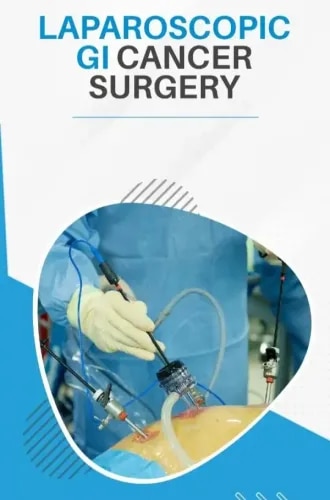
Gastrointestinal (GI) cancer is one of the most complicated cancers. Surgery is often used to treat stomach cancer. The type of surgery is mainly depending on the size and location of the tumor. Laparoscopic surgery is the most advanced and successful surgical procedure than traditional open surgery. Laparoscopic GI cancer surgery involves only smaller incisions instead of big tissue cutting. GI surgeon considers various factors before performing cancer surgery such as: Type of stomach cancer Patient’s age Function of organs Patient’s overall health condition Doctor performs GI cancer surgery for different reasons like: To cure the cancer by completely removing the entire tumor and surrounding lymph nodes. To reconstruct the gastrointestinal (GI) tract after the removal of the stomach. To ease symptoms of advanced stomach cancer. The type of Laparoscopic GI cancer surgery is usually depending on the types of stomach cancer and how cancer is affecting the surrounding tissue. Different types of GI cancer surgeries are performed to treat stomach cancer including: Endoscopic Resection Endoscopic mucosal resection and endoscopic sub-mucosal resection surgery is performed to treat some early stage cancers in which chances of cancer spreading to the lymph nodes is very low. In this procedure, surgeon passes an endoscope down the throat and into the stomach. Surgical tools can be passed through this endoscope to remove the tumor and surrounding infected stomach part. Partial Gastrectomy Doctor performs Partial Gastrectomy if cancer is located only in the lower part of the stomach. It can also perform for cancers that are located only in the upper part of the stomach. In Partial Gastrectomy, only part of the stomach is removed along with part of the esophagus or the first part of the small intestine (the duodenum). The remaining section of stomach is then reattached. Patient can eat food more easily after surgery if only part of the stomach is removed instead of the entire stomach. Total Gastrectomy Total Gastrectomy is performed if the cancer has spread throughout the stomach. It is also often done if the cancer is in the upper part of the stomach near the esophagus. In Total Gastrectomy, surgeon removes the entire stomach, nearby lymph nodes, omentum and can also remove the spleen, parts of the esophagus, intestines, pancreas or other nearby organs. The end of the esophagus is then attached to part of the small intestine which allows food to move down the intestinal tract. Lymph Node Dissection (Removal) Nearby Lymph nodes are removed in either a subtotal or total gastrectomy. Lymph node dissection is classified by the location of the lymph nodes that are removed. A D1 lymph node dissection removes the lymph nodes attached to the outer wall of the area of the stomach containing the tumor. A D2 lymph node dissection removes D1 lymph nodes and the lymph nodes around several large blood vessels near the stomach. A D2 lymph node dissection is a longer and more complicated surgical procedure Palliative Surgery for Unresectable Cancer Palliative surgery is effective for people with unresectable stomach cancer. Surgeon performs palliative surgery to control the cancer or to help prevent or relieve symptoms. Gastric Bypass (Gastrojejunostomy) Stomach bypass surgery is also called a gastrojejunostom. Tumors in the lower part of the stomach can grow large enough to block food from leaving the stomach. In such condition, Surgery is done to change the flow of food or fluids around a stomach tumor. In this procedure, a part of the stomach that is above the blockage is cut and then reattached to the small intestine. Gastric Bypass allows the food to move through the stomach and into the small intestine. Endoscopic Tumor Ablation Endoscopic tumor ablation uses laser surgery to destroy some of the stomach tumor. This technique can be used in people who can’t undergo surgery. Endoscopic Tumor Ablation is done to stop bleeding or to relieve a tumor blockage in people with advanced stomach cancer. This procedure helps patient to eat more easily. Placement of a Stent A stent is a hollow metal or plastic tube. Stents are used if a tumor is blocking the opening of the stomach near the esophagus. It helps patients with advanced stomach cancer to swallow more easily. A stent can be placed at the opening to the duodenum, to allow the food to pass from the stomach into the small intestine. The doctor places the stent using an endoscope. Feeding Tube Placement Some stomach cancer patients are not able to eat or drink enough to get adequate nutrition. In such case, a minor surgery is done to place a feeding tube through the skin of the abdomen and into the distal part of the stomach or into the small intestine. A feeding tube can also be used for a short time after stomach cancer surgery. Liquid nutrition is then put directly into the tube to maintain healthy body weight. Surgery for a Bowel Obstruction A bowel obstruction occurs when the small intestine or colon is partly or completely blocked due to tumor. This blockage prevents food, fluids and gas from passing through the intestines normally. If patient has bowel obstruction then laparoscopic GI cancer surgery is needed to remove or bypass the part of the intestine that is blocked. Today most of the GI surgeons perform Stomach Cancer surgery by Laparoscopic technique instead of traditional open surgery. Laparoscopic GI Cancer surgery is safer and has fewer complications. It is more advanced and side effects free surgical procedure than open cancer surgery. Benefits of Laparoscopic GI Cancer Surgery Laparoscopic GI Cancer surgery is more beneficial for patients than traditional open GI Cancer surgery. Major benefits of Laparoscopic GI cancer surgery are: Faster Recovery Fewer chances of infection Less blood loss No big tissue cutting Shorter hospital stay Smaller scars after surgery Easy to treat complicated stomach cancer types

Laparoscopic GI Surgery

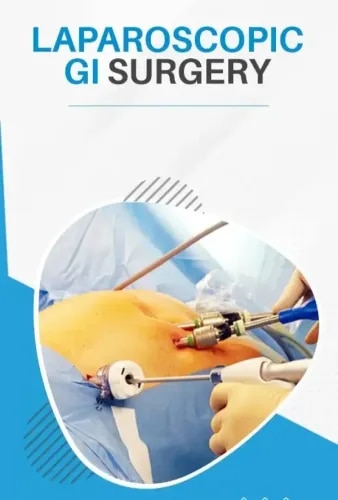
Laparoscopic surgery is also known as Minimally Invasive surgery. Though many Gastrointestinal (GI) disorders can be treated successfully with lifestyle changes or medications, some diseases require Laparoscopic surgery. Laparoscopic GI surgery is a highly advanced and effective than traditional open surgery. It is a minimally invasive surgical procedure commonly used to treat various diseases of the gastrointestinal tract. Laparoscopic GI surgery involves only smaller incisions instead of big tissue cut hence today most of the GI surgeons perform Laparoscopic surgery to treat complicated gastrointestinal tract diseases. Laparoscopic surgery is used to treat various complications of gastrointestinal tracts including: Crohn’s disease Colorectal cancer Diverticulitis Familial polyposis Bowel incontinence Rectal prolapse Ulcerative colitis Colon polyps Chronic severe constipation Some major types of Laparoscopic procedures that are used to treat GI conditions: Laparoscopic Adrenalectomy- Laparoscopic Adrenalectomy procedure is used to remove growths in adrenal glands. The Adrenal Glands are located on the top of kidneys and make essential hormones that are needed for proper body functioning. Laparoscopic Appendectomy – This procedure is used to remove an infected appendix from the body. Laparoscopic Bariatric Surgery- This is the most effective and popular weight loss surgery and makes stomach smaller. Laparoscopic Cholecystectomy- Laparoscopic Cholecystectomy is the surgical removal of the gallbladder. This procedure is performed to remove the gallbladder due to gallstones causing pain or infection. Laparoscopic Colorectal Surgery- This type of surgery treats conditions of the large intestine (including colon, rectum and anus). Laparoscopic Colectomy- Laparoscopic Colectomy is a surgical procedure used to remove all or part of colon. Types include Total Colectomy, Partial Colectomy, Hemicolectomy and Proctocolectomy. Laparoscopic Rectopexy- Laparoscopic Rectopexy is used to repair a rectal prolapse. In this surgery, the rectum is restored to its normal position in the pelvis. Laparoscopic Esophagectomy – Laparoscopic Esophagectomy involves the removal of some or most of the esophagus. This is mainly performed to treat esophageal cancer. Laparoscopic Hiatal Hernia Repair- Laparoscopic Hiatal Hernia Repair surgery can fix hiatal hernias and paraesophageal hernias. Laparoscopic Nissen Fundoplication- This surgery is used to treat patients who are suffering from severe Gastroesophageal Reflux Disease (GERD). It strengthens the muscle that contracts to keep stomach acid away from the esophagus. Laparoscopic Nephrectomy- Laparoscopic Nephrectomy surgery is performed to remove cancerous kidney. Laparoscopic Pancreatic Surgery- This surgery is used to treat different pancreatic conditions. Laparoscopic Pancreaticoduodenectomy- Laparoscopic Pancreaticoduodenectomy is also known as the Whipple procedure and it is the most common operation to treat pancreatic cancer. Laparoscopic Splenectomy- Laparoscopic Splenectomy procedure involves removing the spleen. Procedure of Laparoscopic GI Surgery For laparoscopic surgery, three or more smaller incisions are made in the abdomen. The laparoscope and surgical instruments are inserted through these ports. The surgeon then uses the laparoscope which transmits a picture of the abdominal organs on a video monitor allowing surgeon to perform laparoscopic surgery. Benefits of Laparoscopic GI Surgery Laparoscopic GI surgery is more beneficial for patients than traditional open GI surgery. Major benefits of Laparoscopic GI surgery are: Faster Recovery Fewer chances of infection Less blood loss No big tissue cutting Shorter hospital stay Smaller scars after surgery

ERCP (Endoscopic Retrograde Cholangio-Pancreatography)

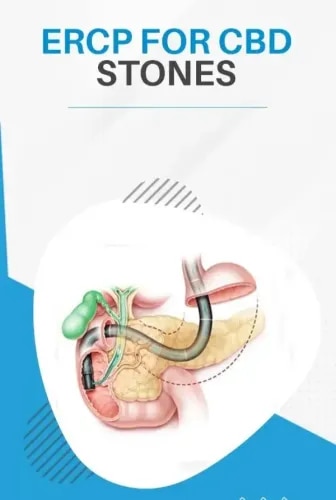
ERCP (Endoscopic Retrograde Cholangio-Pancreatography) is an advanced diagnostic procedure which is mainly used to identify stones, tumors and narrowing in the bile ducts. Common Bile Duct (CBD) stones are also known as Choledocholithiasis. It is condition which involves the presence of a gallstone in the common bile duct. The bile duct is the small tube that carries bile from the gallbladder to the intestine. Gallstones usually occur in the gallbladder or pass through the common bile duct. As per the study, many people with gallstones can have gallstones in the bile duct or Choledocholithiasis. ERCP procedure can remove gallstones from the bile duct but not from the gallbladder and it is performed under general anesthesia. There are two main types of Gallstones such as: Cholesterol Gallstones Pigment Gallstones Cholesterol stones are caused by bile that contains too much cholesterol or too much bilirubin or not enough bile salts while pigment stones can occur in people who have biliary duct infection or cirrhosis of liver. People with a history of gallstones or gallbladder disease are at risk for bile duct stone. Obesity, pregnancy, prolonged fasting, rapid weight loss; high calorie and high fat diet increase the chances of developing gallstones. ERCP (Endoscopic Retrograde Cholangio-Pancreatography) is a combination of two tests i.e. Endoscopy and X-ray. Preparation for ERCP (Endoscopic Retrograde Cholangio-Pancreatography) procedure. GI surgeon performs ERCP procedure to see patient’s gastrointestinal organs clearly. To get best desired results, patient’s stomach should be empty. The patient should not eat anything after midnight or before few hours of test. In case the procedure is performed early in the morning, no liquids should be taken or In case the examination is performed at afternoon time then a cup of tea, juice, milk or coffee can be taken eight hours earlier as per the doctor’s advice only. Patient should strictly avoid smoking, drinking alcohol or chewing gum during this time. Patient should inform doctor well in advance about all medicines or supplements currently taking. Doctor can temporarily ask patient to stop taking medicines or supplements. The ERCP (Endoscopic Retrograde Cholangio-Pancreatography) Procedure: The ERCP procedure mainly involves the following steps: ERCP procedure is performed under general anesthesia. Before actual starting of ERCP procedure, patient receives a sedative medication intravenously (through a vein) in the arm to get relaxation during the procedure. This helps the endoscope enter into the throat and digestive system. In this procedure, GI surgeon or Gastroenterologist inserts an endoscope through the mouth, through the back of the throat, down the esophagus, through the stomach and into the duodenum. Once the papilla of Vater is identified, a small plastic catheter is passed through an open channel of the endoscope into the opening of the papilla and into the bile ducts. Contrast material (dye) is then injected and X-rays of bile ducts are taken. Miniature endoscope (Spyglass) is the advanced procedure related to ERCP. In this procedure, miniature endoscope is passed through the operating channel of a duodenoscopy and inserted directly into the bile duct so that inside of the ducts can be easily visualized. In many cases, some abnormalities can be treated during ERCP. Gastroenterologist also uses X-ray video which is known as fluoroscopy to see the ducts while carrying out treatment. Doctor can place a tiny tube in the duct to treat strictures. The tube called as a stent is placed into the duct through doctor’s endoscope. Then Gallstones can also be removed or dissolved through the endoscope. ERCP procedure takes around 1-2 hours. After the completion of ERCP procedure, patient is shifted to a recovery room and his/her health is monitored. After the discharge, patient should visit doctor for regular follow ups. ERCP is generally a very safe procedure to treat Common Bile Duct (CBD) stones or Choledocholithiasis condition. ERCP is a highly specialized procedure performed by an expert GI surgeon only.

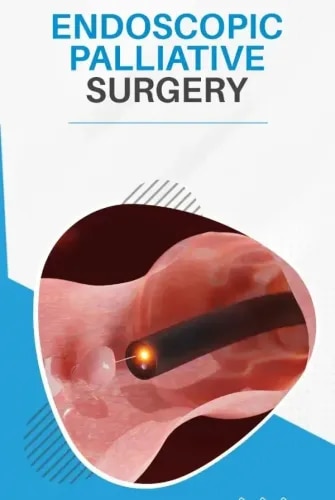
Endoscopic Palliative Surgery

Endoscopic palliative The main goal of Endoscopic Palliative procedure is to improve patient’s quality of life and make patient more comfortable. Doctor performs Endoscopic Palliative procedures to prevent or relieve symptoms instead of trying to cure the cancer. Generally Endoscopic Palliative procedures are done in situations where: Cancer has spread and Cancer cannot be completely removed by surgery. Important Endoscopic Palliative Procedures for Cancer include: Endoscopic Surgical Bypass AGI surgeon can perform an endoscopic bypass procedure to restore normal flow if blockage cannot be opened with a stent. If the tumor is blocking the bile duct then a biliary bypass can reroute the flow of bile around the tumor to relieve pain. If the tumor is blocking the duodenum, a Gastrojejunostomy or gastric bypass is performed to enable food to pass from the stomach around the tumor and through the rest of the digestive system. Endoscopic surgical bypass procedure is performed under local anesthesia and by using minimally invasive surgical technique. Endoscopic Tumor Ablation Endoscopic ultrasound- guided radiofrequency ablation is rapidly becoming as most effective treatment for patients suffering from pancreatic (stomach) tumors. This advanced technique is mainly used in patients who are not suitable to undergo surgery. Endoscopic Tumor Ablation is done to stop bleeding or to relieve a tumor blockage in people with advanced stomach cancer. This procedure helps patient to eat food more easily. Placement of a Stent A stent is a hollow metal or plastic tube. Stents are used if a tumor is blocking the opening of the stomach near the esophagus. It helps patients with advanced stomach cancer to swallow food more easily. A stent can be placed at the opening to the duodenum which allows the food to pass from the stomach into the small intestine. Doctor places the stent by using an endoscope. Feeding Tube Placement Some stomach cancer patients are unable to eat or drink enough food to get adequate nutrition. In such case, a minor surgery is done to place a feeding tube through the skin of the abdomen and into the distal part of the stomach or into the small intestine. A feeding tube can also be used for a shorter time period after stomach cancer surgery. Liquid nutrition is then put directly into the tube to maintain healthy body weight. A tube feeding into the stomach is a called as a Gastrostomy Tube or G-tube while a tube feeding into the intestines is a Gastrojejunostomy Tube or GJ-tube. Endoscopic Surgery for a Bowel Obstruction A bowel obstruction occurs when the small intestine or colon is partly or completely blocked due to tumor. The most common cancers that cause bowel obstructions are cancers of the colon, stomach and ovary. This blockage prevents food, fluids and gas from passing through the intestines normally. If patient has bowel obstruction then laparoscopic GI cancer surgery is needed to remove or bypass the part of the intestine that is blocked. There are various types of surgeries for bowel obstruction such as surgical resection, stent placement, removal of adhesions, colostomy and revascularization. GI surgeons perform bowel obstruction surgeries by using minimally invasive surgical techniques

Phone Number

Mon-Thu: 10 AM - 2 PM • Fri: 3 PM - 7AM

Other Website Visit our other website
Address

R.P. road, opposite tilak nagar post office, ground floor, Guru milan CHS, Dombivali East, Maharashtra 421201 ., Dombivli East