
Dombivli East
08048034772
+919321679769
Pilonidal Sinus Surgery

Pilonidal Sinus Surgery

Available
Phone Number

08048034772

Please keep 0 before dialling the number.

Mon-Thu: 10 AM - 2 PM • Fri: 3 PM - 7AM

Other Website Visit our other website
Address R.P. road, opposite tilak nagar post office, ground floor, Guru milan CHS, Dombivali East, Maharashtra 421201 .

Dombivli East, India, 421201

Description

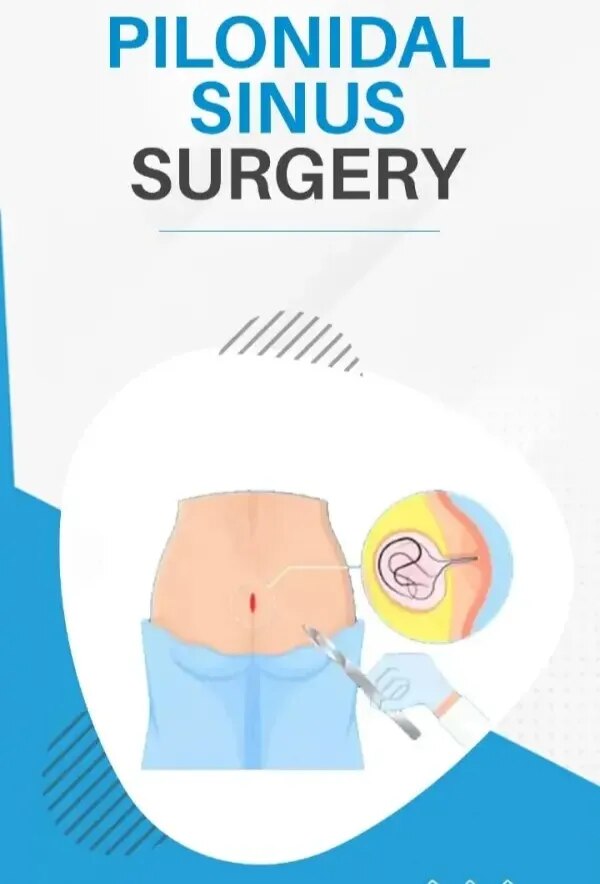
Pilonidal Sinus (also known as Pilonidal Cyst or Sacrococcygeal Fistula) is a condition that occurs in the natal cleft, the cleft between the buttocks, just above the coccyx (tailbone). It typically presents as a small dimple or pit in the skin, which may become infected and form an abscess. Pilonidal sinuses are more common in young adult males and are thought to be caused by ingrown hairs, leading to inflammation and the formation of a cyst or sinus tract. Why Surgery is Needed for Pilonidal Sinus. Surgery is often necessary for pilonidal sinus when conservative treatments such as antibiotics and draining of abscesses fail to provide long-term relief. The main goals of surgery are to remove the infected tissues, drain any abscesses, and close the wound to prevent recurrence. Without surgical intervention, pilonidal sinuses can become chronic, recurrent, and lead to complications such as chronic infection, formation of multiple sinuses, and severe pain. Types of Pilonidal Sinus Surgery- Incision and Drainage (I&D) This is a minimally invasive procedure performed under local anesthesia. The surgeon makes an incision to drain the abscess and remove any infected tissue. While this procedure provides temporary relief, it may not prevent recurrence. Excision with Primary Closure In this procedure, the entire sinus tract and surrounding infected tissue are surgically removed, and the wound is closed with sutures. This method aims to prevent recurrence by removing the source of infection and promoting wound healing. Limb Flap Closure Limb flap closure involves using adjacent healthy tissue to cover the wound created after excising the sinus tract. This technique may reduce the risk of wound breakdown and recurrence compared to primary closure. Marsupialization Marsupialization involves creating an opening in the sinus tract and stitching the edges of the wound to the surrounding skin, allowing the wound to heal from the inside out. This method is typically reserved for complex or recurrent cases. Bascom's Procedure Bascom’s procedure, also known as Cleft Lift Surgery, involves excising the sinus tract and surrounding tissue and reconstructing the natal cleft to reduce the risk of recurrence. This technique is favored for its lower recurrence rates and shorter recovery time compared to traditional excisional methods. Surgical Procedure The specific surgical approach depends on factors such as the severity of the condition, the presence of abscesses, and the surgeon’s preference. Generally, the procedure involves the following steps- * Anesthesia: The patient is usually given either local anesthesia (numbing the area) or general anesthesia (rendering the patient unconscious) depending on the extent of the surgery and patient preference. * Incision: The surgeon makes an incision over the pilonidal sinus to expose the sinus tract and any associated abscesses. * Excision: The sinus tract, along with any infected tissue, is carefully excised to remove the source of infection. * Closure: Depending on the type of surgery, the wound may be closed with sutures (primary closure), covered with adjacent healthy tissue (limb flap closure), or left open to heal gradually (marsupialization). * Dressing: The surgical site is dressed with sterile bandages to promote healing and prevent infection. * Postoperative Care: After surgery, patients are typically instructed to keep the surgical site clean and dry, avoid sitting for prolonged periods, and follow any specific postoperative instructions provided by their surgeon. Recovery Recovery from pilonidal sinus surgery varies depending on the type and extent of the procedure performed. In general, patients may experience discomfort and swelling at the surgical site, which can be managed with pain medication and proper wound care. Most patients can return to normal activities within a few weeks, although strenuous activities and sitting for long periods may need to be avoided during the initial healing phase. Follow-up appointments with the surgeon are usually scheduled to monitor the healing process and address any concerns. Pilonidal Sinus Surgery is often necessary to treat recurrent or complicated cases of pilonidal sinus disease. The surgical approach may vary, but the goal is to remove the sinus tract and infected tissue while minimizing the risk of recurrence. With proper surgical technique and postoperative care, the majority of patients can achieve complete healing and resolution of symptoms

Other Treatment

view all

Laparoscopic Colon Cancer Surgery

Laparoscopic Colon Cancer Surgery, also known as minimally invasive or keyhole surgery, is a modern surgical approach used to treat colon cancer. To understand laparoscopic colon cancer surgery, it’s essential to grasp what colon cancer is, why surgery is necessary for its treatment, and the different types of surgeries available. What is Colon Cancer? Colon cancer, also referred to as colorectal cancer, originates in the large intestine (colon) or rectum. It typically begins as small, noncancerous clumps of cells known as adenomatous polyps. Over time, these polyps can develop into cancer. Colon cancer is one of the most common types of cancer globally, with risk factors including age, family history, diet, and certain hereditary conditions. Symptoms of colon cancer may include- Changes in bowel habits (diarrhea, constipation, or changes in stool consistency) Blood in the stool Abdominal discomfort or pain Fatigue and weakness Unexplained weight loss Why Surgery is Needed for Colon Cancer? Surgery is often the primary treatment for colon cancer. The primary goal of surgery is to remove the cancerous growth along with a portion of healthy tissue to ensure complete removal and reduce the risk of recurrence. In some cases, surgery may also be followed by additional treatments such as chemotherapy or radiation therapy to further eradicate any remaining cancer cells. Surgery is particularly essential in colon cancer for several reasons: Curative Intent: Surgery aims to remove the cancerous tissue, especially in early-stage cancers, with the intent of curing the disease. Prevention of Spread: Removing the tumor and surrounding tissue reduces the risk of cancer spreading to other parts of the body. Symptom Relief: Surgery can alleviate symptoms such as bleeding, obstruction, or pain caused by the tumor. Improved Survival: Successful surgery followed by appropriate adjuvant therapy can significantly improve long-term survival rates. Types of Colon Cancer Surgeries- Colectomy: This is the most common surgical procedure for colon cancer. It involves removing a portion of the colon affected by cancer along with nearby lymph nodes. The remaining healthy sections of the colon are then reconnected. The extent of the colectomy depends on the size and location of the tumor. Laparoscopic or Minimally Invasive Surgery: In laparoscopic colon cancer surgery, small incisions are made in the abdomen through which a laparoscope (a thin, flexible tube with a camera) and surgical instruments are inserted. The surgeon uses these instruments to perform the operation while viewing a magnified image of the surgical site on a monitor. Laparoscopic surgery offers benefits such as smaller incisions, reduced pain, faster recovery, and shorter hospital stays compared to traditional open surgery. Robotic-Assisted Surgery: This is a variation of laparoscopic surgery where the surgeon controls robotic arms equipped with surgical instruments. The robotic system provides enhanced precision and dexterity, allowing for more complex surgeries with improved outcomes. Hemicolectomy: In cases where the cancer is confined to one side of the colon, a hemicolectomy may be performed. This involves removing either the right or left side of the colon, along with nearby lymph nodes. Total Colectomy: In rare cases, when cancer affects a significant portion of the colon or there are multiple tumors, a total colectomy may be necessary. This involves removing the entire colon and rectum, with the small intestine then connected to an opening in the abdominal wall (ileostomy) or reattached to the rectum (ileoanal anastomosis). Palliative Surgery: In advanced cases where the cancer cannot be completely removed, surgery may be performed to relieve symptoms, such as bowel obstruction or bleeding, and improve quality of life. Benefits of Laparoscopic Colon Cancer Surgery- Minimally Invasive: Laparoscopic surgery requires smaller incisions compared to traditional open surgery, resulting in less trauma to the surrounding tissues and organs. Faster Recovery: Patients undergoing laparoscopic colon cancer surgery typically experience less postoperative pain, shorter hospital stays, and faster recovery times compared to open surgery. Reduced Risk of Complications: Minimally invasive techniques may lower the risk of surgical complications such as infection, blood loss, and incisional hernias. Improved Cosmesis: Smaller incisions result in less noticeable scars and improved cosmetic outcomes for patients. Laparoscopic Colon Cancer Surgery is a safe and effective treatment option for patients with colon cancer, offering numerous benefits including faster recovery, reduced pain, and comparable oncological outcomes compared to traditional open surgery. However, the choice of surgical approach should be individualized based on factors such as the stage and location of the cancer, patient’s overall health, and surgeon’s expertise.

Coloproctology

Coloproctology, also known as colorectal surgery or proctology, is a specialized field of medicine focused on the diagnosis and treatment of disorders affecting the colon, rectum, and anus. It combines elements of both general surgery and gastroenterology to address a wide range of conditions, including but not limited to colorectal cancer, inflammatory bowel disease (such as Crohn’s disease and ulcerative colitis), hemorrhoids, anal fissures, fistulas, rectal prolapse, and fecal incontinence. Goals of Coloproctology Diagnosis: One of the primary goals of coloproctology is to accurately diagnose various colorectal disorders through a combination of medical history, physical examination, endoscopic procedures (such as colonoscopy and sigmoidoscopy), imaging studies (like MRI, CT scans), and laboratory tests (including blood tests and stool tests). Treatment: Another important goal is to provide effective treatment options tailored to the specific condition and needs of the patient. Treatment modalities can range from medications and lifestyle modifications to surgical interventions, such as colorectal resection, hemorrhoidectomy, fistulotomy, sphincterotomy, and others. Improving Quality of Life: Coloproctologists aim to improve patients’ quality of life by alleviating symptoms, reducing pain and discomfort, and restoring normal bowel function whenever possible. Diseases Treated by Coloproctology Coloproctologist or Laparoscopic Gastrointestinal Surgeon treats a wide range of diseases, including- Hemorrhoids: Swollen and inflamed veins in the rectum and anus. Anal Fissures: Tears or cracks in the lining of the anus, causing pain and bleeding during bowel movements. Colorectal Cancer: Cancerous growths in the colon or rectum. Inflammatory Bowel Disease (IBD): Chronic inflammatory conditions of the digestive tract, including Crohn’s disease and ulcerative colitis. Diverticulitis: Inflammation or infection of small pouches (diverticula) in the digestive tract. Fecal Incontinence: Inability to control bowel movements, leading to involuntary leakage of stool. Anal Fistulas: Abnormal passages that form between the anus and the skin surrounding the anus. Rectal Prolapse: When part or all of the rectum protrudes from the anus. Colonic Polyps: Abnormal growths on the inner lining of the colon or rectum. Irritable Bowel Syndrome (IBS): A chronic disorder affecting the large intestine, characterized by abdominal pain, bloating, and changes in bowel habits. Scope of Coloproctology The scope of coloproctology encompasses the following areas- Colorectal Cancer: Screening, diagnosis, staging, and treatment of colorectal cancer, including surgery, chemotherapy, radiation therapy, and immunotherapy. Inflammatory Bowel Disease (IBD): Management of Crohn’s disease and ulcerative colitis, including medical therapy, endoscopic procedures, and surgical interventions when necessary. Anorectal Disorders: Diagnosis and treatment of conditions affecting the anus and rectum, such as hemorrhoids, anal fissures, anal fistulas, perianal abscesses, and fecal incontinence. Functional Bowel Disorders: Assessment and management of functional bowel disorders, including irritable bowel syndrome (IBS) and pelvic floor dysfunction. Pelvic Floor Disorders: Evaluation and treatment of pelvic floor disorders, such as rectal prolapse, rectocele, and pelvic floor dysfunction causing constipation or fecal incontinence. Why Coloproctology is Used Coloproctology is utilized for various reasons- Diagnostic Purposes: It is used to diagnose and identify the underlying causes of symptoms such as rectal bleeding, changes in bowel habits, abdominal pain, and anal discomfort. Therapeutic Interventions: Coloproctology offers a wide range of therapeutic interventions to manage and treat colorectal disorders effectively, including both conservative and surgical approaches. Preventive Care: Screening for colorectal cancer and precancerous conditions, such as polyps, is an essential aspect of coloproctology aimed at early detection and prevention of colorectal malignancies. Benefits of Coloproctology Improved Health Outcomes: By accurately diagnosing and effectively treating colorectal disorders, coloproctology helps improve patients’ overall health outcomes and quality of life. Minimally Invasive Techniques: Advances in coloproctological techniques, such as laparoscopic and robotic-assisted surgery, allow for minimally invasive procedures, resulting in shorter hospital stays, faster recovery times, and reduced postoperative pain. Multidisciplinary Approach: Coloproctology often involves collaboration with other medical specialties, including oncology, gastroenterology, radiology, and pathology, to provide comprehensive care and tailored treatment plans for complex cases. Patient Education and Support: Coloproctologist or Laparoscopic Gastrointestinal Surgeon provides patient education and support, empowering individuals to actively participate in their treatment decisions, manage their condition effectively, and adopt healthy lifestyle habits. Overall, coloproctology plays a critical role in diagnosing, managing, and treating a wide range of colorectal conditions, with the ultimate goal of improving patients’ quality of life and outcomes.

Anal Fissure Surgery

An Anal Fissure is a small tear or cut in the lining of the anus. It can cause pain, bleeding during bowel movements, and discomfort, making it a distressing condition for those affected. Anal fissures often occur due to trauma to the anal canal, typically from passing hard or large stools. Other causes may include chronic constipation or diarrhea, childbirth, or inflammatory bowel disease. Why Surgery is Needed for Anal Fissure? In many cases, anal fissures can heal on their own with conservative treatments such as dietary changes, stool softeners, and topical medications. However, some fissures become chronic or fail to heal despite these measures. Chronic anal fissures are characterized by persistent symptoms lasting for more than six weeks and often require more aggressive treatment, including surgery. Surgery may be recommended when conservative measures have been ineffective or when the fissure is severe and causes significant pain or bleeding. Types of Anal Fissure Surgery- Lateral Internal Sphincterotomy (LIS) This is the most common surgical procedure performed for chronic anal fissures. During a lateral internal sphincterotomy, the surgeon makes a small incision in the internal anal sphincter muscle, which is the muscle that controls the opening and closing of the anus. By cutting this muscle, the sphincter is relaxed, allowing better blood flow to the fissure area and promoting healing. This procedure is usually done under local or general anesthesia and is associated with high success rates and low recurrence rates. Fissurectomy A fissurectomy involves the surgical removal of the anal fissure itself. This procedure is often performed in conjunction with other surgical techniques, such as a sphincterotomy or advancement flap repair, to ensure complete healing. During a fissurectomy, the surgeon excises the damaged tissue of the fissure and may also remove a small portion of the surrounding healthy tissue to promote healing. Advancement Flap Repair In cases where the anal sphincter muscle needs to be preserved, advancement flap repair may be performed. During this procedure, the surgeon creates a flap of healthy tissue near the anus and advances it over the site of the fissure to cover the area and promote healing. This technique is particularly useful for complex or recurrent anal fissures and helps to maintain anal sphincter function. Anal fissure surgery is a highly effective treatment option for chronic or severe anal fissures that do not respond to conservative measures. Various surgical techniques are available, including lateral internal sphincterotomy, fissurectomy, advancement flap repair, and botulinum toxin injection, each tailored to the individual patient’s needs and the severity of their condition. It’s essential for individuals considering surgery to discuss their options thoroughly with a qualified healthcare professional to determine the most appropriate treatment plan for their specific situation.