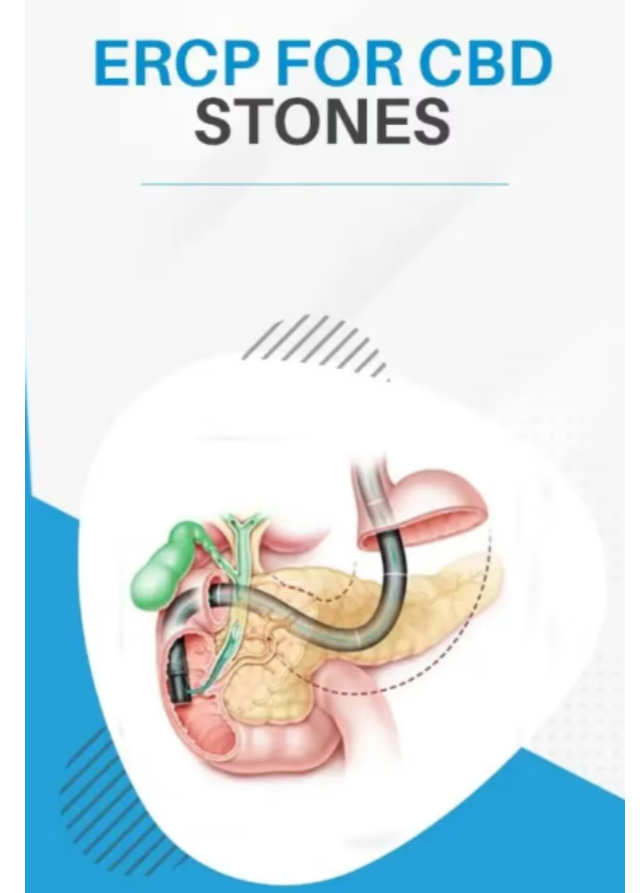
A stone that remains inside the gallbladder and a stone that enters the common bile duct are not exactly the same clinical problem. When stones move into the common bile duct, they can interfere with bile drainage and sometimes lead to complications. ERCP For CBD Stones is one method used to diagnose and, importantly, treat selected bile duct problems.
ERCP stands for endoscopic retrograde cholangiopancreatography. It combines endoscopy with imaging techniques to access the bile duct through the digestive tract.
Why do CBD stones need attention?
Common bile duct stones may cause symptoms such as upper abdominal pain, jaundice, nausea or vomiting. Some people may develop fever or infection of the bile ducts, while blockage near the pancreatic duct can contribute to pancreatitis.
The clinical picture can vary, so imaging and blood tests are often important.
Before ERCP, evaluation may include:
- Liver function tests
- Abdominal ultrasound
- CT scan in selected cases
- MRCP or other biliary imaging when appropriate
- Assessment of symptoms and previous gallstone history
Not every suspected CBD stone automatically requires ERCP. The investigation and treatment pathway depends on the likelihood of a duct stone, evidence of obstruction and the patient's overall condition.
What happens during ERCP?
A flexible endoscope is passed through the mouth and advanced into the first part of the small intestine. The bile duct opening can then be accessed, and contrast imaging may be used to visualize the ducts.
When appropriate, the clinician may enlarge the duct opening and remove stones using specialized instruments. In some situations, a stent may be placed to help bile drainage.
Is gallbladder surgery still needed afterward?
ERCP removes stones from the bile duct; it does not necessarily remove the gallbladder or prevent stones remaining in the gallbladder from causing future problems.
When gallstones are the source of CBD stones, gallbladder surgery may subsequently be recommended depending on the patient's condition and clinical circumstances. The timing should be discussed with the treating team.
ERCP also has recognized risks, including pancreatitis, bleeding, infection and perforation. These risks and their relevance to an individual patient should be explained before the procedure.
For patients from Karjat and surrounding areas of Maharashtra, Jeevanshree Hospital can provide evaluation of gallstone and gastrointestinal conditions and guide patients through appropriate investigation and treatment planning.
Severe abdominal pain associated with fever, persistent vomiting or jaundice should receive prompt medical evaluation rather than waiting for a routine appointment. When CBD stones are confirmed, timely management can help address obstruction and reduce the risk of related complications.
Keywords