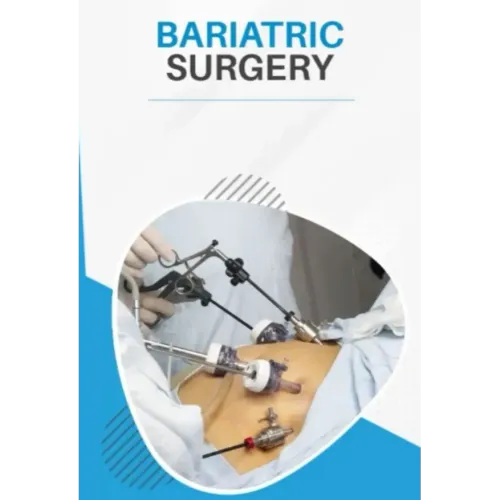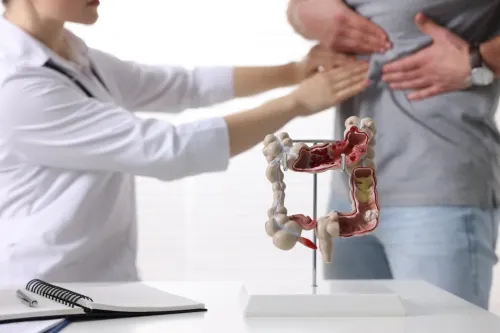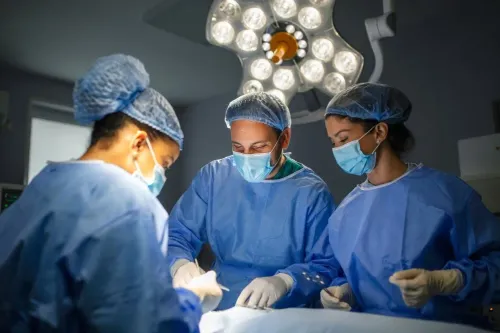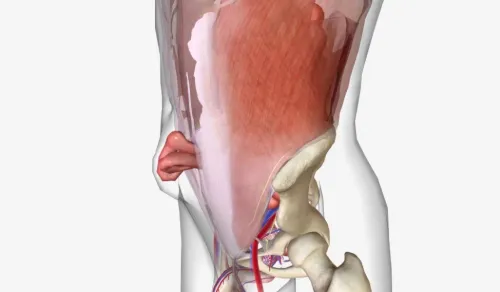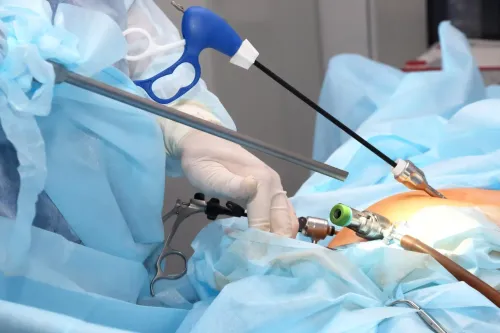
The term “keyhole surgery” can make laparoscopic procedures sound simple, but the decision to use laparoscopy involves much more than making smaller incisions. Laparoscopic GI Surgery uses a camera and specialized instruments to perform selected operations involving the gastrointestinal system through relatively small abdominal openings.
For many patients, the important question is whether a minimally invasive approach is appropriate for their particular condition.
What conditions may be treated laparoscopically?
Depending on diagnosis and clinical circumstances, laparoscopic techniques can be considered for selected gallbladder conditions, hernias, appendicular disease and various gastrointestinal operations.
Suitability depends on several factors:
- Exact diagnosis
- Location and extent of disease
- Previous abdominal operations
- Presence of adhesions
- Patient's overall health
- Urgency of surgery
- Surgeon experience with the required procedure
This is why two patients with apparently similar symptoms may receive different surgical recommendations.
Laparoscopic versus open surgery
Laparoscopic surgery generally uses several small incisions, while conventional open surgery uses a larger incision to access the operative area directly.
For appropriately selected procedures, minimally invasive surgery may be associated with advantages such as smaller wounds, earlier mobility and a different postoperative recovery experience. These potential benefits do not eliminate surgical risks.
Open surgery also remains an important and sometimes preferable approach. Extensive disease, difficult anatomy, severe inflammation or unexpected findings can influence the operative method.
In some operations, a procedure that begins laparoscopically may need to be converted to an open operation. Patients should understand this possibility before surgery rather than viewing conversion as automatically indicating a problem with the procedure.
How can patients prepare?
Follow the hospital's fasting instructions carefully. Inform the surgical team about allergies, previous operations and all medicines, particularly blood thinners and medicines for diabetes.
Do not independently stop prescribed medication unless instructed by the treating clinician.
It is also useful to ask about postoperative walking, diet, wound care, lifting restrictions and when work or driving can usually be resumed. Recovery varies with the operation rather than simply with incision size.
Residents of Palava and the wider Dombivli region of Maharashtra may benefit from having surgical follow-up within practical travelling distance. Jeevanshree Hospital assesses gastrointestinal conditions and determines whether laparoscopic, open or another treatment approach is appropriate.
The real advantage of modern GI surgery lies in choosing the right operation for the right patient. Minimally invasive surgery is valuable when it supports safe and effective treatment, not simply because smaller incisions sound more appealing.
Keywords