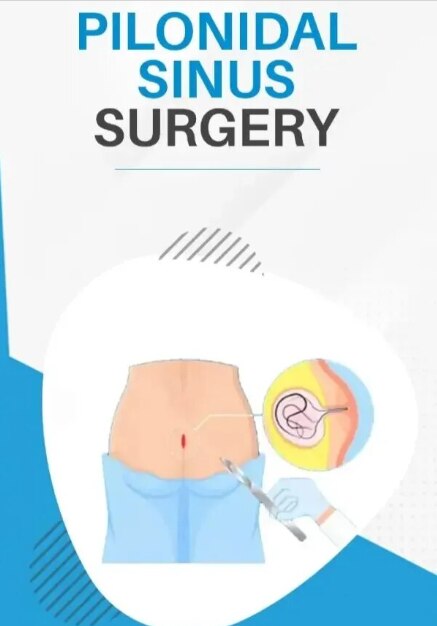
A painless pit, a draining sinus and a hot, swollen abscess do not call for the same treatment. By the end, you will know when observation or drainage is enough, when surgery is appropriate, and which procedure features to compare before choosing a plan.
Key takeaways
- A painful pus-filled lump needs prompt abscess drainage, not routine sinus surgery.
- A first episode, recurrence and extensive disease require different surgical discussions.
- Ask whether the operation leaves the wound open or uses off-midline closure.
- Confirm recurrence risk, wound care, time off work and follow-up before choosing.
Which pilonidal problem do you have, and when is it urgent?
A symptom-free pit is an opening without pain, swelling or discharge. An infected abscess is a painful, tender lump containing pus, often with fluctuation beneath the skin. A draining chronic sinus has a persistent opening or discharge after inflammation settles. Recurrent disease means infections, drainage or wound problems keep returning after previous treatment.
| Problem | What you may notice | Usual next step |
|---|---|---|
| Asymptomatic pit | No pain, swelling or discharge | Observe; wash and dry the cleft and control loose hair |
| Acute abscess | Rapidly painful, tender, fluctuant swelling | Prompt examination and usually incision and drainage |
| Chronic sinus | Ongoing drainage or a non-healing opening | Surgical assessment for suitable pilonidal sinus treatment options |
| Recurrent disease | Repeated abscesses, pits or failed wound healing | Review previous treatment and plan definitive surgery if needed |
Observation is usually reasonable for an asymptomatic pit. Persistent drainage, repeated infections or an opening that will not heal needs surgical assessment rather than indefinite home care.
Seek prompt medical review for a rapidly enlarging painful swelling, redness spreading beyond the cleft, pus, fever, chills or difficulty sitting. Examination identifies the pits, secondary openings, tenderness, fluctuation and active infection. Routine imaging is not automatically needed; a surgeon may consider it when the diagnosis is unclear or disease is extensive or recurrent.
What happens during an acute abscess, and what comes next?
A fluctuant, painful abscess is usually treated first with incision and drainage, not immediate definitive excision. A small cut releases trapped pus, reduces pressure and pain, and controls the acute collection. Inflamed tissue is harder to close safely, so removing the entire sinus during this episode can create a larger, more difficult wound.
The immediate plan is usually:
- Numb the area, make an opening over the collection, and release the pus.
- Break up pockets and wash or dress the cavity as the clinician advises.
- Arrange follow-up to confirm that swelling, pain and drainage are settling.
Drainage treats the abscess, but it does not necessarily remove the established pilonidal sinus tract or its skin pits. Antibiotics alone are not a substitute: they cannot reliably clear pus behind a closed cavity.
A clinician may prescribe them when cellulitis spreads beyond the cleft, fever or other systemic infection is present, or a higher-risk condition affects treatment.
After inflammation settles, reassess the area. If drainage continues, the opening fails to heal, or infections recur, definitive pilonidal cyst surgery choices include a limited sinus procedure, excision with healing open, or an off-midline closure. Phenol or another minimally invasive treatment is not a substitute for draining a large acute abscess.
The later operation addresses the underlying tract, which explains why the first procedure may differ from the final one.
How do the main procedures compare?
The key comparison is between wound reliability, recovery speed and recurrence risk—not simply the size of the incision.
| Option | What it involves | Main trade-off |
|---|---|---|
| Open excision with secondary healing | Removes diseased tissue and leaves the wound open | Avoids a vulnerable suture line, but needs prolonged dressing care, slower closure and a longer return to normal activity |
| Primary midline closure | Closes the wound in the deep cleft | Shortens the open-wound period, but the moist, deep scar has less favourable infection, separation and recurrence outcomes |
| Off-midline closure | Moves the scar away from the cleft and flattens it | Usually offers better healing than midline closure, but flap complications include seroma, infection, wound separation and partial necrosis |
| Limited procedures | Pit-picking, trephination, sinusectomy, EPSiT, video-assisted treatment or phenol remove or treat tracts through small openings | Less pain and faster early recovery for selected limited disease, but recurrence or long-term evidence is less certain |
Karydakis and Bascom cleft lift procedures flatten the cleft and place the scar laterally. They suit chronic, recurrent or previously operated disease more often than a simple midline closure. The Limberg flap uses a rhomboid excision and transfers a larger tissue flap, providing coverage for extensive or recurrent disease at the cost of more dissection.
These pilonidal sinus treatment options are poor fits when broad lateral extensions, numerous pits or repeated recurrence require wider correction. Among pilonidal cyst surgery choices, off-midline closure is generally preferred when chronic disease needs excision and closure; limited treatment suits a small, short tract rather than complex disease.
Which procedure fits a first episode, recurrence or extensive disease?
A symptom-free pit needs observation, a large acute abscess needs incision and drainage, and chronic or recurrent disease needs a plan matched to its extent rather than a default operation.
| Option | Best fit | Main trade-offs |
|---|---|---|
| Observation | Symptom-free pit | No surgical pain or wound; disease can later drain or become infected |
| Pit-picking, trephination, EPSiT, endoscopic or phenol treatment | Few pits, short tract, no broad lateral extensions | Less pain and faster early recovery; recurrence can be higher, and evidence varies |
| Excision with open healing | Contamination, active infection or concern that suturing will fail | Avoids a vulnerable closure; requires prolonged dressings and delays normal activity |
| Karydakis or Bascom cleft lift | Recurrence, failed previous surgery or a substantial tract | Off-midline scar and flatter cleft; more pain, sitting limits and flap risks |
| Limberg flap | Larger or recurrent disease needing broad coverage | More reliable coverage for extensive areas; larger operation with risks of seroma, infection, wound separation and partial necrosis |
For chronic disease requiring closure, favour an off-midline plan over conventional midline closure. Smoking, obesity, previous operations, poor wound-healing history, pit number and position, and surgeon experience can change the recommendation. Recovery also depends on dressing burden, time away from work, sitting restrictions, wound breakdown and recurrence risk.
Searching for pilonidal sinus surgery in Dombivli East should mean requesting an examination-based plan, not selecting a named procedure online. Compare pilonidal sinus treatment options with the surgeon’s experience and your disease pattern.
What should you ask before choosing pilonidal sinus surgery?
Ask for a comparison, not the name of an operation. The final scar, cleft shape, number of pits, tract length and previous surgery determine whether limited treatment or a flap makes sense.
| Question | Why it matters |
|---|---|
| Where will the scar lie? | An off-midline scar avoids the deepest, moist part of the cleft. |
| How deeply will you flatten the cleft? | A shallow cleft reduces hair and moisture trapping. |
| How many pits and secondary openings will you treat? | Missing a lateral opening can leave disease behind. |
| Why is a limited procedure or flap suitable? | The choice should match the disease pattern, not a routine preference. |
Also ask for:
- The dressing schedule, bathing instructions, sitting restrictions and expected time away from work.
- The surgeon’s own recurrence rate and wound-complication rate, not only published figures.
- Warning signs such as fever, spreading redness, increasing pain, pus or wound separation.
- The plan if the wound opens, fails to heal or the disease returns.
Hair control supports healing after the wound closes; it does not replace treatment. Ask whether trimming, a depilatory product or laser hair reduction suits you. Shaving can irritate skin and leave short, stiff hairs.
For someone searching pilonidal sinus surgery for options in dombivli east or pilonidal sinus surgery in dombivli east, Jeevanshree Hospital can provide a consultation that examines the cleft, reviews previous operations and matches treatment to the disease pattern.
Related service
Pilonidal Sinus Surgery Pilonidal Sinus (also known as Pilonidal Cyst or Sacrococcygeal Fistula) is a condition that occurs in the natal cleft, the cleft between the... View service → |
Frequently asked questions
Which pilonidal problem needs urgent medical attention?
A painful, tender lump with pus, increasing redness, fever or rapidly worsening pain needs prompt medical assessment because it may be an acute abscess.
What happens after an acute pilonidal abscess is drained?
Drainage relieves the abscess, but it does not always remove the chronic sinus tract. After inflammation settles, a surgeon can assess whether observation or definitive sinus surgery is appropriate.
How do pilonidal sinus surgery options differ?
Procedures differ in how much tissue they remove, whether the wound is left open or closed, how the incision is positioned and how they address recurrent or extensive disease.
Which procedure is right for recurrent or extensive pilonidal disease?
Recurrent or extensive disease needs an examination of the pits, sinus branches, scar tissue and previous operations. Ask the surgeon why the proposed approach suits those findings.
What should you ask before pilonidal sinus surgery?
Ask about the procedure name, wound closure, recurrence risk, dressing schedule, bathing, activity limits, time off work, warning signs and follow-up arrangements.
Keywords