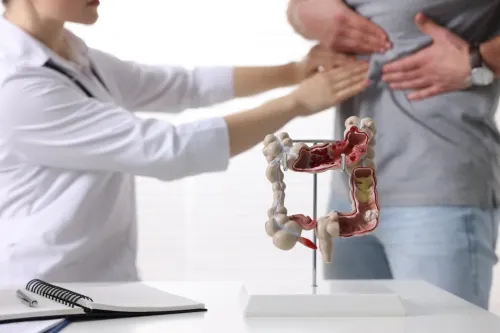

Persistent acidity, unexplained upper abdominal discomfort, swallowing difficulty or gastrointestinal bleeding can require more than symptom-based treatment. When doctors need to see the inside of the upper digestive tract directly, Diagnostic Endoscopy may be recommended.
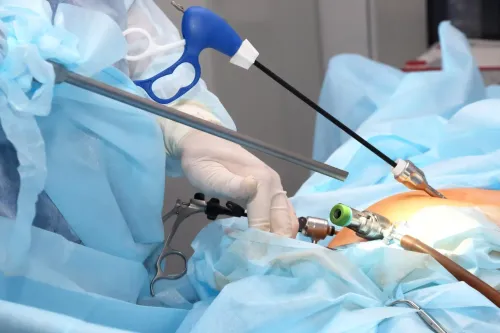
An upper GI endoscopy uses a thin, flexible camera to examine the oesophagus, stomach and the first portion of the small intestine.
At Jeevanshree Hospital, diagnostic evaluation can help identify the cause of gastrointestinal symptoms and guide further treatment when endoscopy is clinically appropriate.
Why Is an Endoscopy Recommended?
The test may be considered when a patient has symptoms such as:
- Persistent or troublesome upper abdominal symptoms
- Difficulty or pain while swallowing
- Recurrent vomiting
- Suspected upper gastrointestinal bleeding
- Unexplained anaemia in an appropriate clinical context
- Symptoms requiring evaluation for ulcers or other upper GI disorders
The reason for endoscopy differs from patient to patient, so the investigation should be based on medical assessment rather than performed simply because acidity or indigestion occurs occasionally.
What Can the Doctor See?
During the procedure, the doctor can examine the lining of the upper digestive tract for abnormalities.
If an area requires further assessment, a small tissue sample may be obtained for laboratory examination. Taking a biopsy does not necessarily mean cancer is suspected; biopsies have several diagnostic uses.
How Should Patients Prepare?
Patients are generally instructed to avoid food and liquids for a specified period before upper endoscopy. The exact instructions provided by the treating team should be followed carefully.
Doctors should also know about existing medical conditions and medicines, particularly anticoagulants, antiplatelet medicines, diabetes treatments and other medications that may affect procedural planning.
Patients should not independently stop prescribed medicines unless instructed to do so.
Endoscopy Is a Diagnostic Step, Not the Final Answer
Finding an abnormality is only part of the process. Biopsy results, blood tests, imaging and clinical history may all contribute to the final diagnosis.
For patients in Badlapur and neighbouring parts of Maharashtra, arranging a consultation before the procedure also provides an opportunity to understand preparation requirements and whether someone should accompany them home.
Diagnostic endoscopy can provide information that symptoms alone cannot. When used for the right indication, it allows doctors to directly assess the upper gastrointestinal tract and plan treatment based on actual findings rather than assumptions.
Keywords