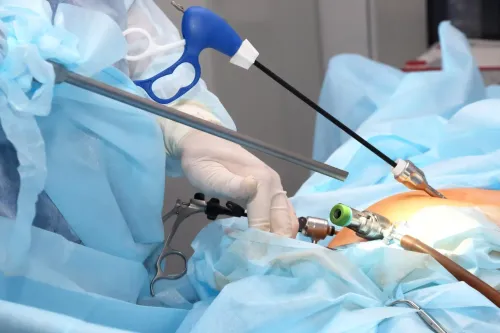
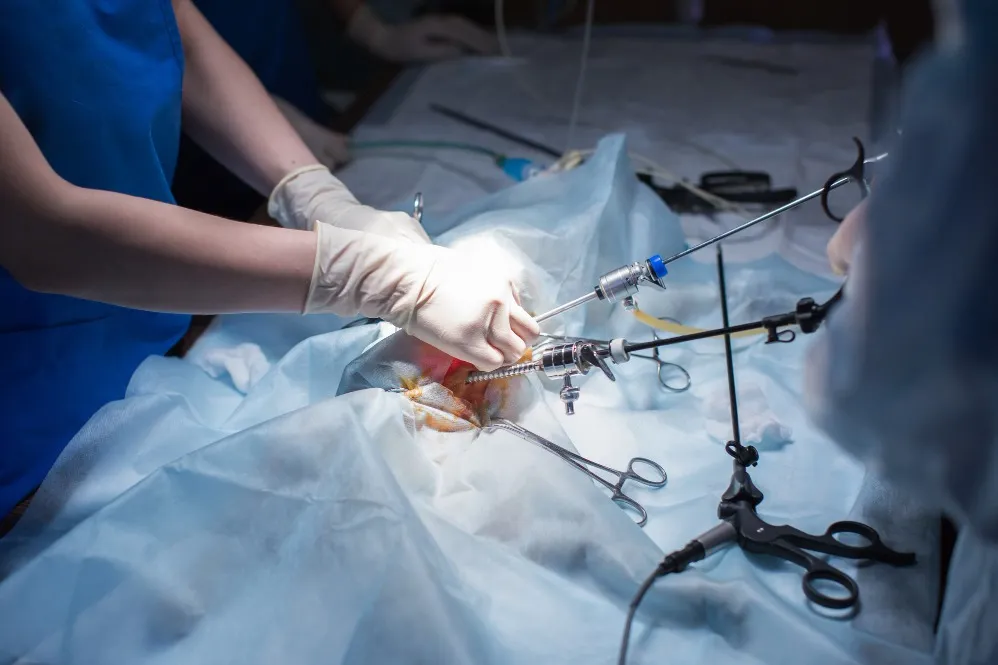
A diagnosis of gastrointestinal cancer brings several treatment decisions, including whether surgery is required and which surgical approach is appropriate. For selected cancers, Laparoscopic GI Cancer Surgery may allow surgeons to perform an oncological operation through smaller abdominal incisions.
The decision involves more than choosing between laparoscopic and open surgery. Cancer location, stage, spread, patient fitness and the exact operation required all influence treatment planning.
At Jeevanshree Hospital, patients with gastrointestinal conditions can be evaluated to understand the surgical options relevant to their diagnosis.
How Is Cancer Surgery Different From Routine Laparoscopic Surgery?
Cancer surgery has specific oncological goals. The surgeon must consider complete removal of the tumour where possible, appropriate margins and management of relevant lymph nodes according to the type and stage of cancer.
For this reason, the smallest incision is not automatically the most important consideration.
A laparoscopic approach should provide an operation that is oncologically appropriate while remaining technically safe for the individual patient.
What Is Reviewed Before Surgery?
A patient may require several investigations before a surgical plan is finalised. These can include:
- Endoscopy where relevant
- Biopsy and pathology review
- CT or other imaging
- Blood investigations
- Assessment of nutritional status
- Evaluation of heart, lung and general fitness
The multidisciplinary treatment sequence may also matter. Some gastrointestinal cancers are treated with chemotherapy or radiotherapy before or after surgery.
Laparoscopic and Open Approaches
Laparoscopic surgery generally involves several small incisions and camera-guided instruments, whereas open surgery uses a larger incision to provide direct access.
The choice should be driven by disease-related and patient-related factors rather than a preference for one technique in isolation.
Complex tumour involvement, previous surgery or other findings may make an open procedure more appropriate. In some operations, conversion from laparoscopic to open surgery may become necessary for safety or adequate cancer treatment.
Planning Care Around Dombivli East
For patients in Dombivli East and surrounding Maharashtra communities, treatment planning should also account for postoperative follow-up, pathology review and any additional oncology treatment that may be recommended.
Before deciding on surgery, patients and families can ask what operation is planned, why that approach has been recommended, whether lymph nodes will be assessed, what recovery may involve and whether further cancer treatment is expected.
The value of laparoscopic GI cancer surgery lies in appropriate patient selection and sound oncological planning, not simply in making smaller incisions.
Keywords