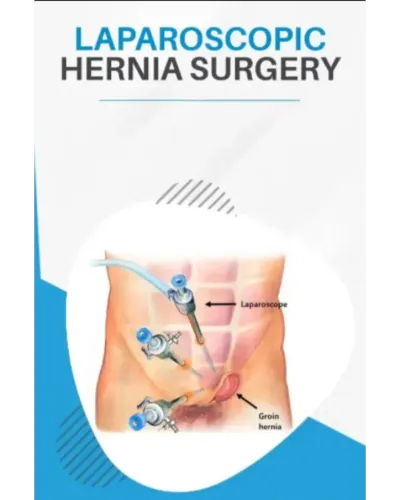
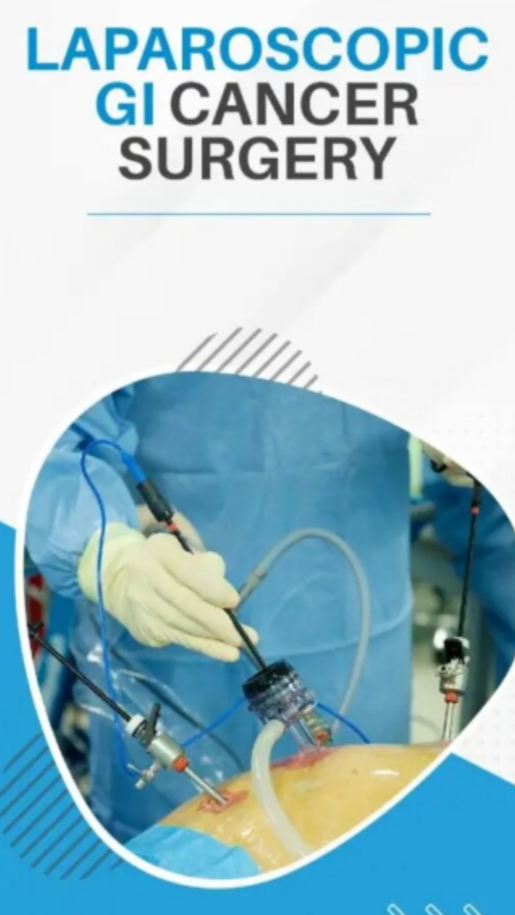
A gastrointestinal cancer diagnosis can quickly lead to unfamiliar terms, multiple investigations and discussions about surgery. When Laparoscopic GI Cancer Surgery is being considered, patients and families need to understand that cancer surgery is planned around the disease itself, not merely around the size of the incision.
The objective of surgery depends on the cancer type, location, stage and whether the disease can be removed appropriately.
Why staging comes before surgery
Before an operation is planned, doctors generally need to understand how far the disease has spread. Depending on the suspected cancer, this may involve endoscopy, biopsy, CT imaging, MRI or other investigations.
Pathology from a biopsy can help identify the type of tumour. Imaging provides information about its location, nearby structures and possible spread.
These findings influence whether surgery should happen first or whether chemotherapy, radiation therapy or another treatment should precede or follow surgery.
What makes laparoscopic cancer surgery different?
Laparoscopic surgery uses small abdominal incisions and a camera to access the operative area. However, the principles of cancer surgery remain central.
The surgeon must consider factors such as:
- Adequate removal of the tumour where feasible
- Appropriate surgical margins
- Relevant lymph-node assessment
- Protection of nearby structures
- Safe reconstruction when part of the digestive tract is removed
The feasibility of laparoscopy depends on tumour location, extent of disease, previous operations and individual anatomy.
A minimally invasive operation is therefore not automatically the preferred method for every gastrointestinal cancer.
Questions families can ask
Cancer consultations contain a great deal of information, so writing questions down beforehand can help.
Ask what the biopsy shows, what is known about the stage, what the operation intends to remove, whether additional treatment may be required and what recovery may involve.
Patients can also ask how eating and bowel function might change after the proposed procedure and whether temporary or permanent changes to the digestive tract are expected.
Recovery requires coordinated care
Postoperative recovery may involve pain management, early mobilization, nutrition planning, wound monitoring and pathology review. The final surgical pathology can provide additional information that influences subsequent cancer treatment.
For families in Dombivli West, Maharashtra, access to a hospital within the region can make consultations and postoperative reviews more manageable. Jeevanshree Hospital can evaluate patients requiring gastrointestinal surgical assessment and coordinate appropriate treatment planning based on diagnosis.
Cancer treatment decisions should be individualized. The important issue is not whether surgery is described as “open” or “laparoscopic,” but whether the chosen approach meets the clinical and oncological requirements of the patient's disease.
Keywords