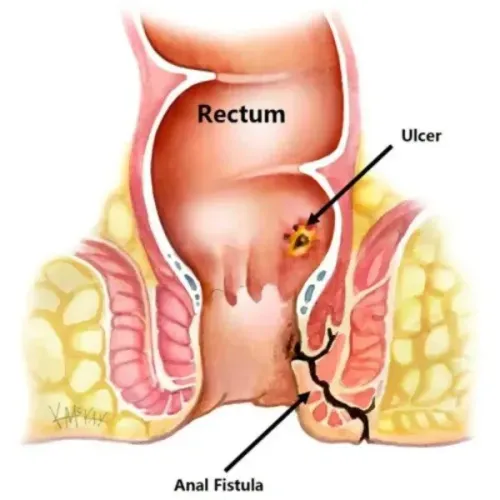
Surgery involving the digestive system does not always require a large abdominal incision. Many gastrointestinal operations can now be performed using minimally invasive techniques, depending on the disease, its complexity and the patient's overall condition.
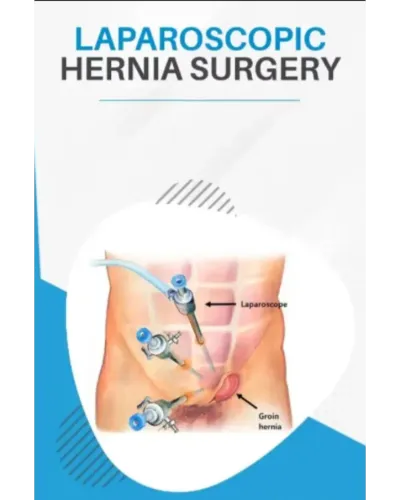
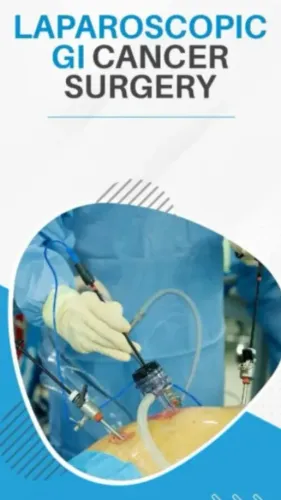
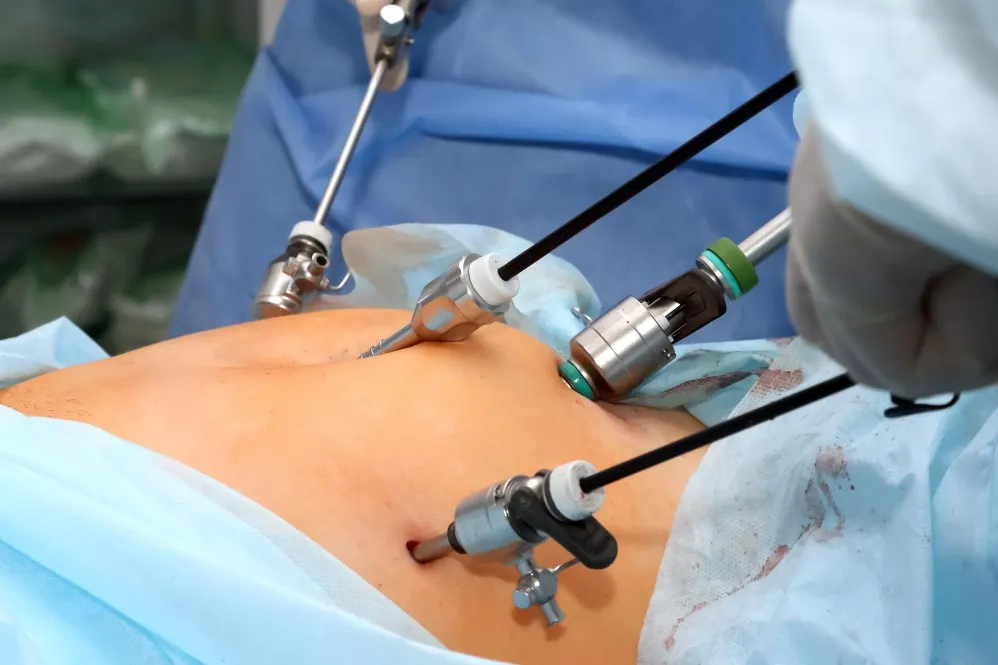
Laparoscopic GI Surgery uses small abdominal incisions through which a camera and specialised surgical instruments are introduced. The surgeon views the operating area on a monitor and performs the planned procedure using these instruments.
At Jeevanshree Hospital, surgical assessment helps determine whether a laparoscopic approach is appropriate for a patient's gastrointestinal condition.
Where Is Laparoscopic Surgery Used?
Laparoscopic techniques have applications across several areas of gastrointestinal and general surgery. Depending on the diagnosis, they may be considered for conditions involving:
- Gallbladder
- Appendix
- Hernias
- Stomach and intestinal conditions
- Selected colorectal conditions
- Certain gastrointestinal tumours
- Some reflux-related disorders
Being technically possible does not automatically make laparoscopy the right option for every patient.
Why Do Surgeons Consider a Minimally Invasive Approach?
Compared with a traditional open operation, laparoscopic surgery generally uses smaller incisions. For appropriately selected procedures and patients, this may support less wound-related discomfort, earlier mobility and smaller scars.
However, recovery is influenced by much more than incision size. The underlying disease, complexity of surgery, age, general health and development of complications can all affect how quickly a patient recovers.
Can Every GI Operation Be Performed Laparoscopically?
No. Previous abdominal operations, extensive disease, complex anatomy, severe inflammation and certain emergency conditions may affect whether a minimally invasive procedure is suitable.
Occasionally, a procedure that begins laparoscopically may need to be converted to an open operation if this is considered safer during surgery.
That possibility should be understood as part of surgical planning rather than viewed simply as a failure of the laparoscopic technique.
Preparing for GI Surgery
Patients may undergo blood investigations, imaging and medical fitness evaluation before surgery. Instructions regarding food, medicines and admission depend on the planned procedure.
People travelling from Ambernath and nearby areas should also discuss expected hospital stay and follow-up requirements while planning surgery.
Laparoscopic GI surgery has expanded the options available for treating many abdominal conditions. The most important question, however, is not simply whether keyhole surgery is available. It is whether that approach is appropriate for the particular disease and patient.
Keywords