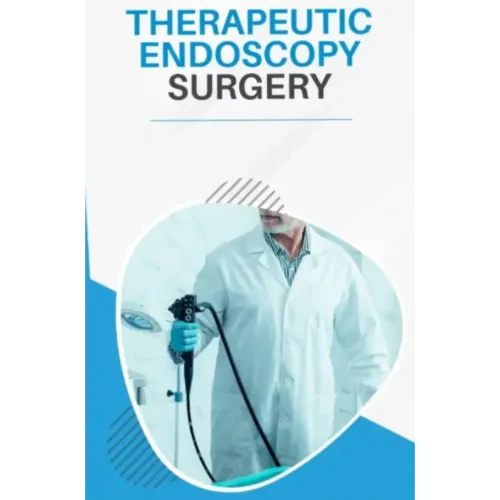

Endoscopy is often associated with diagnosis, but modern gastrointestinal endoscopy can do considerably more than examine the digestive tract. Therapeutic Endoscopy Surgery refers broadly to endoscopic interventions used to treat selected gastrointestinal problems without conventional open surgical access.
At Jeevanshree Hospital, endoscopic evaluation may form part of the diagnosis or treatment pathway for appropriate digestive conditions.
Diagnostic and Therapeutic Endoscopy Are Different
Diagnostic endoscopy primarily allows the doctor to inspect the digestive tract and, when necessary, obtain tissue samples.
Therapeutic endoscopy goes a step further. Instruments passed through the endoscope can be used to perform selected treatments during the procedure.
Depending on the condition and the type of endoscopy, therapeutic interventions may include:
- Controlling certain gastrointestinal bleeding
- Removing selected polyps
- Retrieving foreign bodies
- Dilating narrowed areas
- Placing certain stents
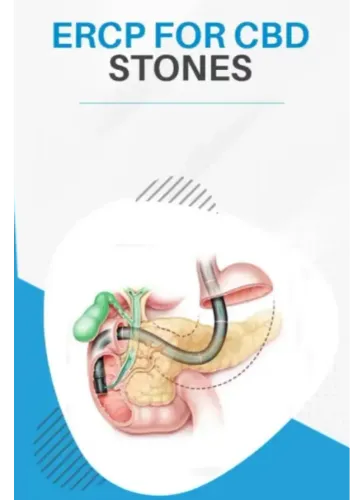
- Removing bile duct stones through ERCP
- Performing other specialised gastrointestinal procedures
The treatment available depends on where the problem is located and the patient's diagnosis.
Endoscopy and Surgery Are Not Interchangeable
Patients sometimes assume that an endoscopic procedure can replace surgery in every situation because it does not involve a large incision.
That is not the case.
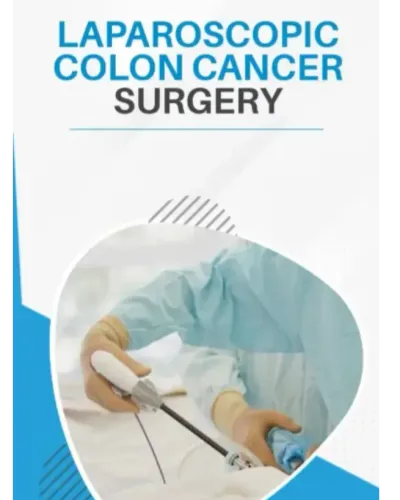
Some diseases are well suited to endoscopic treatment. Others require laparoscopic or open surgery to treat the underlying problem completely. In certain cases, endoscopy is used before or after surgery rather than as an alternative to it.
Questions Worth Asking Before a Procedure
Before undergoing therapeutic endoscopy, patients should understand:
- What condition is being treated?
- What is the purpose of the procedure?
- Are tissue samples likely to be taken?
- What preparation is required?
- What are the recognised risks?
- Is another procedure or surgery likely to be required later?
These questions are particularly useful when several treatment approaches are available.
Local Access and Follow-Up
Patients from Palava and Dombivli East may find it useful to plan transport and post-procedure support in advance, especially when sedation or anaesthesia is involved. Patients may be advised not to drive themselves home after sedation.
Therapeutic endoscopy has made it possible to manage many gastrointestinal conditions through natural body openings rather than conventional surgical incisions. Its value, however, depends on accurate diagnosis, proper indications and appropriate procedural expertise.
A gastroenterology or GI surgical assessment can clarify whether endoscopic treatment, surgery or a combination of both is most suitable.
Keywords