Nasal blockage, facial pressure, reduced smell and repeated infections do not automatically mean you need an operation. You will learn when sinus treatment surgery becomes reasonable, which tests and prior treatments matter, what recovery involves and how its benefits compare with other options.
Key takeaways
- Seek ENT assessment when sinus symptoms last 12 weeks or longer.
- Expect medicines, nasal endoscopy and possibly CT before surgery.
- Endoscopic surgery can improve drainage, obstruction and access for treatment.
- Plan for follow-up care and temporary limits during sinus surgery recovery.
When persistent sinus symptoms warrant an ENT assessment
Book an ENT assessment when nasal obstruction, facial pressure, postnasal drainage or reduced smell lasts 12 weeks or longer, or when repeated episodes disrupt sleep, work or daily life. Recurrent infections deserve review too, especially if symptoms return soon after treatment or never fully clear.
Chronic rhinosinusitis means symptoms lasting at least 12 weeks plus objective inflammation inside the nose or sinuses. Similar complaints can come from:
- Allergic rhinitis, which commonly causes sneezing, itching and watery discharge
- Migraine, which can cause facial pressure without sinus inflammation
- Dental infection, especially pain from an upper tooth spreading toward the cheek
- A deviated septum, which narrows one nasal passage
- Nasal valve narrowing, which worsens blockage during breathing
- Other causes of facial pain, smell loss or a blocked nose
Symptoms alone do not establish a surgical indication. An ENT clinician uses nasal endoscopy to inspect the nasal passages, drainage areas, swelling, polyps and pus, then compares those findings with a fine-cut CT scan of the paranasal sinuses.
The scan must match the symptoms; incidental thickening on CT does not prove that the sinuses cause your pain.
The benefits of endoscopic sinus surgery depend on selecting patients with troublesome disease that persists despite appropriate treatment and has matching objective findings. Surgery is not a default response to every recurrent sinus complaint, and a normal examination or scan should prompt investigation of another diagnosis instead.
What treatment and testing come before a surgical decision
Surgery is considered after appropriate medical treatment, not before it. Regular saline irrigation, correct use of an intranasal corticosteroid spray and allergy treatment when allergic rhinitis contributes come first. Use antibiotics only when a clinician diagnoses a bacterial infection.
Treatment can appear to have failed when irrigation is irregular, the spray is aimed at the nasal septum instead of the outer wall, the course is too short, or allergy remains untreated. Ask your ENT specialist to check your technique and treatment duration before labelling symptoms medically refractory.
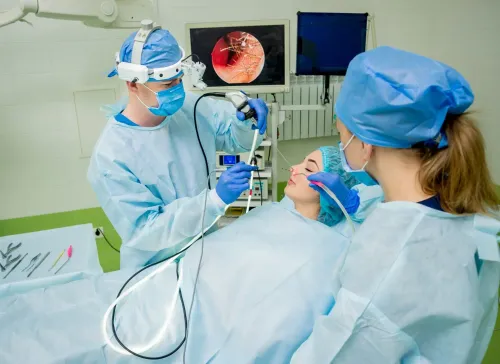
Nasal endoscopy lets the specialist inspect the nasal passages and drainage pathways directly, looking for swelling, polyps, pus and other causes of blockage. A fine-cut CT scan of the paranasal sinuses shows the bony anatomy and objective inflammation.
A CT finding alone does not justify sinus treatment surgery. The symptoms, examination and scan must match.
| Finding | What it means | Usual implication |
|---|---|---|
| Inflamed drainage pathways with matching symptoms | Objective chronic sinus disease | Consider surgery after medical treatment fails |
| Polyps or visible pus on endoscopy | Active obstructive or inflammatory disease | Plan treatment around the affected areas |
| Normal CT with facial pain | Sinus disease is not demonstrated | Investigate migraine, dental pain or another cause |
The operation is matched to the disease pattern, not chosen by sinus size or routine. A normal scan should prompt a search for another diagnosis rather than an operation that cannot treat the real source of pain.
What an endoscopic sinus procedure can improve
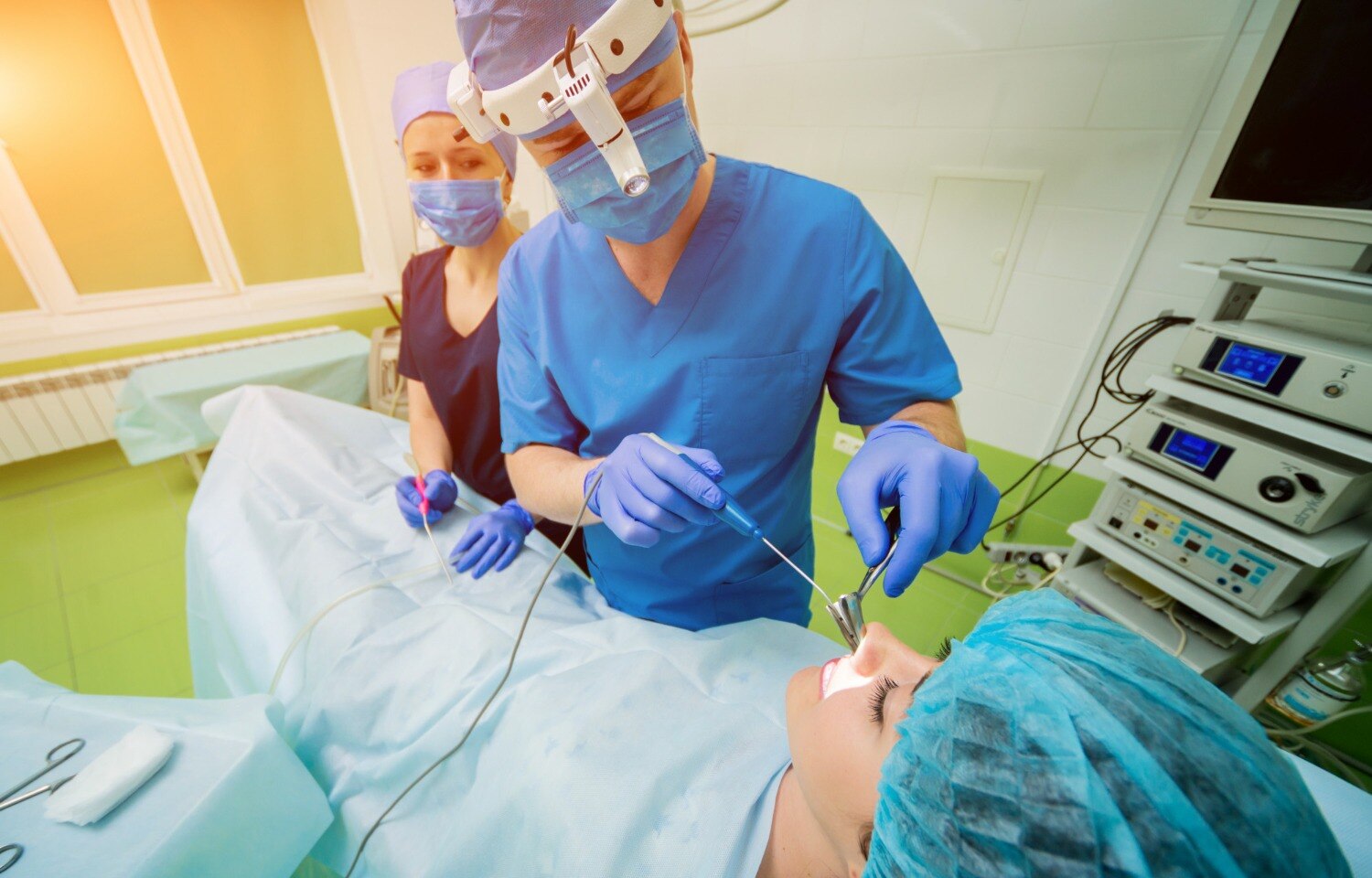
An endoscopic sinus procedure is performed under general anaesthesia through the nostrils, using a small endoscope. The surgeon removes selected diseased tissue or polyps and widens affected drainage pathways while preserving as much healthy sinus lining as possible. The usual approach requires no external facial cuts.
| Change after surgery | Realistic benefit | Important limit |
|---|---|---|
| More open nasal passages | Easier nasal airflow | Swelling can block breathing during early recovery |
| Wider drainage pathways | Better mucus drainage and less discharge | Inflammation can continue |
| Reduced sinus pressure | Less facial pressure and discomfort | Migraine or dental pain will not improve from sinus surgery |
| Better sinus access | Saline irrigation and topical steroid medicines can reach affected areas more effectively | You still need regular treatment |
| Lower disease burden | Fewer troublesome infections for appropriately selected patients | Polyps and inflammatory disease can return |
The benefits of endoscopic sinus surgery are usually stronger for blockage, drainage and pressure than for smell. Smell can improve when polyps or obstruction cause the loss, but persistent inflammation, allergy, infection or nerve-related damage can limit recovery.
Surgery improves control of chronic sinus disease; it does not guarantee permanent symptom elimination. Some people need continued medicines or further treatment, particularly when polyps or persistent inflammation return. A larger operation is not automatically better: the surgeon matches its extent to your CT findings, anatomy and disease pattern.
What sinus surgery recovery involves, including limits and risks
Most endoscopic sinus operations are outpatient procedures, but sinus surgery recovery is not immediate. Expect several days to two weeks of nasal blockage, crusting, mild bleeding or blood-stained drainage, and facial pressure; nasal breathing and energy usually improve gradually.
Saline irrigation, prescribed nasal medicines and follow-up examinations are treatment, not optional aftercare. Your surgeon may perform postoperative cleaning, called debridement, to remove crusts and clots so the healing cavities remain open.
During early healing, follow these instructions:
- Avoid forceful nose blowing until your surgeon permits it.
- Avoid heavy exertion, bending, lifting and straining because they can trigger bleeding.
- Attend every follow-up visit, even if breathing improves quickly.
- Continue topical treatment, especially after surgery for polyps, asthma, aspirin-exacerbated respiratory disease or persistent inflammatory disease.
Contact your surgeon urgently for heavy bleeding, a change in vision, swelling around the eye, severe headache, fever or clear fluid draining from the nose. Go for emergency assessment if symptoms are severe or rapidly worsening.
Serious complications are uncommon, but the risks include significant bleeding, orbital injury or infection, visual problems and a cerebrospinal-fluid leak because the sinuses sit beside the eye socket and skull base. Surgery can reduce symptoms and medication use, but it cannot guarantee permanent relief; inflammation and polyps can return, and some patients need revision surgery.
How surgery compares with medicines, balloon sinuplasty and septoplasty
Medicines remain the better choice for allergy or controlled chronic rhinosinusitis. Continue saline irrigation, an intranasal corticosteroid spray and allergy treatment when they control symptoms; antibiotics belong only when a clinician diagnoses bacterial infection.
Consider an endoscopic sinus procedure when symptoms remain troublesome despite appropriate treatment and nasal endoscopy or a fine-cut CT scan shows matching inflammation or obstruction.
| Option | What it treats | When it applies |
|---|---|---|
| Medical management | Allergy and controlled inflammation | Symptoms respond without an operation |
| Balloon sinuplasty | Selected narrowed sinus openings | A limited blockage without polyps or widespread inflammatory disease |
| Endoscopic sinus surgery | Obstructed drainage pathways, diseased tissue or polyps | Persistent symptoms with objective disease after medical treatment |
| Septoplasty | A crooked septum restricting airflow | Nasal obstruction caused by septal deviation, not diseased sinus lining |
Balloon sinuplasty does not replace polyp removal or treat every chronic inflammation pattern. Septoplasty alone does not treat sinus disease, but combining it with sinus treatment surgery can improve access or airflow.
When polyps block several drainage pathways, surgeons may combine polyp removal with sinus surgery, followed by saline and topical steroid treatment to reduce recurrence.
- What benefit should I expect, and what will not improve?
- How much tissue and how many sinus compartments require treatment?
- What is the expected sinus surgery recovery?
- What alternatives exist, and what is my revision risk?
Jeevanshree Hospital in Dombivli East can provide a setting for ENT assessment and procedure planning, but the choice depends on examination, imaging and your medical history.
Related service
Endoscopic Sinus Surgery Endoscopic Sinus Surgery is an advanced surgical procedure mainly performed to remove blockages in the sinuses because these blockages can cause... View service → |
Frequently asked questions
When should persistent sinus symptoms be assessed by an ENT specialist?
Arrange an ENT assessment when nasal obstruction, facial pressure, postnasal drainage or reduced smell lasts 12 weeks or longer. Seek review for repeated infections, symptoms that return soon after treatment, or problems that disrupt sleep, work or daily life.
What happens before a decision about sinus treatment surgery?
Your clinician reviews your symptoms and medical history, examines the nose, and may perform nasal endoscopy. A CT scan can show blocked drainage pathways, inflammation, polyps or structural problems when surgery is being considered.
What can an endoscopic sinus procedure improve?
By opening blocked sinus drainage pathways and removing selected tissue, surgery can improve nasal airflow, pressure, drainage and access for topical medicines. It does not guarantee that sinus disease will never return.
What does sinus surgery recovery involve?
Recovery includes follow-up visits, saline rinses and prescribed medicines. Nasal blockage, drainage, mild bleeding and tiredness can occur early; your surgeon will set limits on exercise, nose blowing and work. Risks include bleeding, infection, scarring, persistent symptoms and rare injury near the eye or skull base.
How does endoscopic sinus surgery compare with medicines, balloon sinuplasty and septoplasty?
Medicines remain the first option for many inflammatory sinus conditions. Balloon sinuplasty gently widens selected drainage openings but cannot remove polyps or all diseased tissue. Septoplasty straightens a deviated nasal septum, while endoscopic sinus surgery targets blocked or diseased sinus pathways; some patients need both.
Keywords