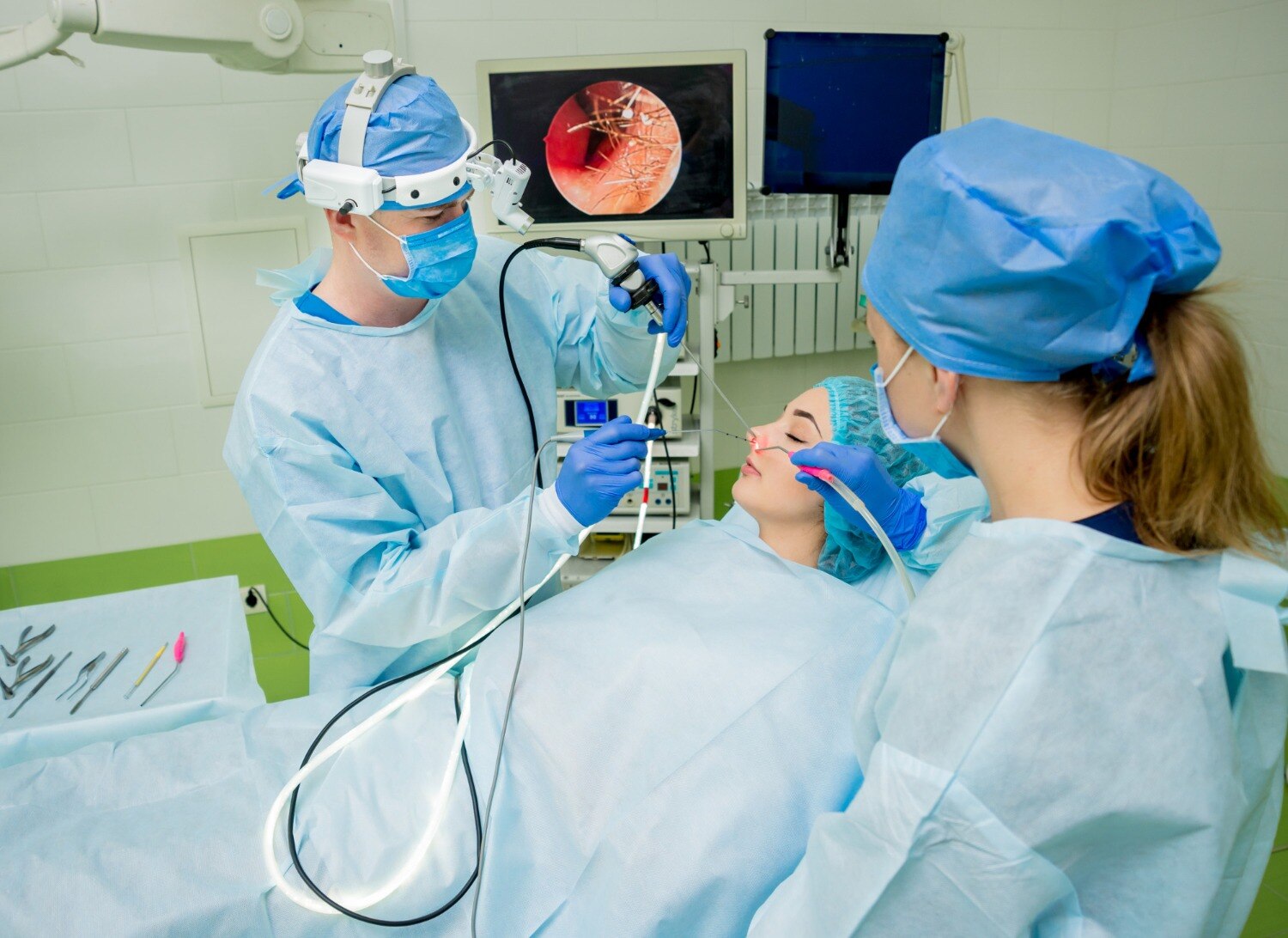
A blocked nose, facial pressure, reduced smell, or repeated sinus infections does not automatically mean you need an operation. You will learn how an ENT specialist confirms the indication, what happens from anaesthesia through discharge, and what recovery requires afterward.
Key takeaways
- Surgery follows persistent symptoms, medical treatment, nasal endoscopy, and CT findings.
- The surgeon uses a nasal endoscope to open blocked sinus drainage pathways.
- Ask how healthy tissue and the eyes, brain, and major blood vessels will be protected.
- Confirm follow-up visits, nasal care, warning signs, and recovery restrictions before surgery.
How does an ENT specialist decide whether surgery is appropriate?
Surgery becomes appropriate when symptoms persist despite well-directed medical treatment and nasal endoscopy plus CT findings identify a correctable problem. The decision may involve chronic rhinosinusitis, nasal polyps, recurrent acute sinusitis, fungal sinus disease, or obstruction caused by the nasal septum, turbinates, or sinus openings.
An ENT specialist reviews symptom duration and checks whether you completed treatment such as:
- Saline rinses and intranasal corticosteroids for ongoing inflammation
- Allergy treatment when allergic rhinitis contributes to blockage
- Antibiotics when examination supports bacterial infection
- Other treatment for polyps or chronic inflammatory disease
Nasal endoscopy shows the internal nasal passages, polyps, swelling, pus, and drainage areas. A CT scan of the paranasal sinuses maps blocked pathways, diseased tissue, bone, and anatomy that may affect planning. A CT abnormality alone does not establish the need for surgery; symptoms, examination, and treatment response must match the scan.
| Situation | What the findings suggest | Usual next step |
|---|---|---|
| Short-term infection | An isolated episode with recent symptoms | Medical treatment and review |
| Migraine or facial pain | Pain without matching sinus inflammation or obstruction | Evaluate non-sinus causes |
| Allergy without blockage | Symptoms improve with allergy treatment and no obstructive disease appears | Continue medical care |
| Persistent disease | Symptoms continue, treatment has not worked, and endoscopy plus CT show obstruction or disease | Discuss endoscopic sinus surgery |
If symptoms improve with treatment, surgery is not usually the next step. When comparing an endoscopic sinus surgery for process in dombivli east, judge the indication by this evidence, not by the scan alone.
What happens during the endoscopic sinus operation?
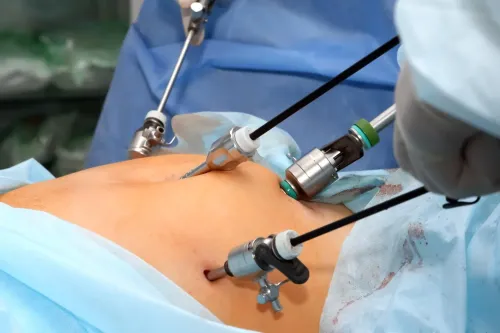
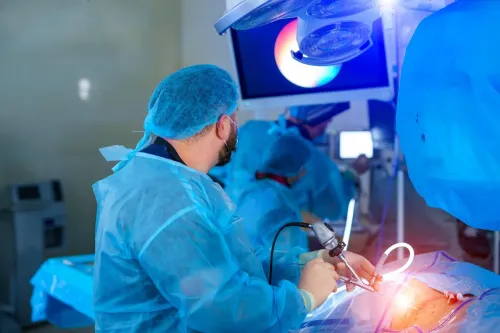
Inside the operating room, you are asleep under general anaesthesia while the surgeon works through the nostrils. The endoscopic sinus operation steps are tailored to your CT scan and nasal endoscopy findings, not performed identically for every patient.
1. The team positions and monitors you, then prepares the nasal passages with medicines that reduce swelling and bleeding. The surgeon cleans the working area and confirms the planned sinuses.
2. A rigid endoscope passes through a nostril, giving a magnified view of the drainage pathways on a monitor. Fine instruments enter alongside the scope through the nostrils.
3. The surgeon removes polyps or diseased tissue when they block drainage, while preserving healthy lining wherever possible.
4. The surgeon enlarges the natural openings of affected sinuses and opens selected ethmoid, maxillary, frontal, or sphenoid pathways according to the disease pattern. Standard endoscopic surgery does not require an external facial incision.
The operation may take longer when several sinuses need treatment, polyps are extensive, bleeding is difficult to control, the surgery is a revision, or another procedure is performed at the same sitting. A search for sinus surgery procedure in dombivli east describes this same technique; Dombivli East does not change the operation itself.
Many uncomplicated cases are day procedures, but you still need recovery-room observation and an adult to take you home after general anaesthesia. Extensive surgery, other medical conditions, or concerns about bleeding and recovery can make overnight observation safer.
How does the surgeon protect important structures and preserve healthy tissue?
The surgeon removes only tissue that blocks drainage or contains disease, while preserving healthy sinus lining and leaving unaffected sinus spaces alone. The goal is better ventilation and drainage, not emptying every sinus.
- The preoperative CT scan maps each sinus and shows the orbit, eye muscles, skull base, optic nerve, and thin boundaries around them.
- During surgery, direct endoscopic vision guides fine instruments through the nostrils. The surgeon opens only the affected natural pathways: the maxillary, ethmoid, frontal, or sphenoid sinuses.
- Image-guided navigation, when available, matches instrument position with the preoperative CT. It is particularly useful during revision surgery, extensive polyposis, complex anatomy, or disease near the orbit or skull base.
- Navigation adds location information but does not replace the endoscope, surgical judgement, or controlled technique.
Bleeding is managed with suction, cautery, topical agents, and absorbable dressings. Nasal packing is not required in every operation, and some packing dissolves while other materials need removal.
Before choosing a sinus surgery procedure in Dombivli East, ask which tissue will be removed, what healthy structures will remain, whether navigation is planned, and what packing material will be used. Also ask when packing, if non-dissolving, will be removed.
Saline care and medical treatment may still be needed because surgery improves drainage but does not eliminate allergy or chronic inflammation.
What is the sinus surgery recovery process?
Routine work often resumes in about one to two weeks, but the sinus surgery recovery process continues internally for several weeks or longer. In the recovery room, staff monitor your breathing, bleeding, pain, alertness, and response to general anaesthesia before discharge or overnight observation.
- Expect nasal blockage, pressure, mild-to-moderate pain, fatigue, reduced smell, crusting, and blood-stained or watery drainage during the early days.
- Do not judge the operation by immediate breathing improvement. Swelling and crusts temporarily narrow the nose, so congestion can feel worse before it improves.
- Use saline irrigation exactly as instructed. Scheduled nasal examinations help track healing, and the surgeon may add a steroid spray or steroid irrigation when appropriate.
- Follow individual limits on forceful nose-blowing, heavy lifting, strenuous activity, and bending. These actions can increase pressure or trigger bleeding.
- Attend follow-up endoscopy appointments. The surgeon may remove crusts and clots during cleaning; this supports healing and does not mean the operation failed.
Many people return to desk-based or routine work within one to two weeks, while heavy physical work requires a different timetable. Healing inside the sinuses continues after you feel able to resume normal activities.
Contact the surgical team urgently or seek emergency care for heavy or persistent bleeding, new vision changes, swelling around the eye, a severe worsening headache, neck stiffness, high fever, or continuous clear watery drainage. These symptoms can indicate bleeding, infection, an eye-orbit problem, or a cerebrospinal-fluid leak.
What should you ask before choosing a sinus surgery hospital near Dombivli?
Choose a hospital by the clarity of its diagnosis, operation, anaesthesia plan, and recovery support—not by distance alone. Dombivli East identifies a location, not a different type of sinus operation.
| Ask about | Specific question | Why it matters |
|---|---|---|
| Diagnosis and scope | Has the ENT specialist confirmed the indication from your symptom history, nasal endoscopy, and CT scan? Which sinuses will be treated? | A CT abnormality alone does not prove that surgery is needed. |
| Surgical planning | Will image guidance be used? What anaesthesia and monitoring are available? | Navigation can support complex anatomy or revision surgery, while monitoring protects you during general anaesthesia. |
| Discharge plan | Will packing be used, and will it dissolve or need removal? Is the operation planned as day-care or overnight care? | Packing affects comfort and follow-up; day-care surgery requires postoperative observation and an adult to take you home. |
| Safety and follow-up | Who handles after-hours bleeding, eye symptoms, or a suspected cerebrospinal-fluid leak? How many postoperative endoscopic reviews are included? | You need a named route for urgent problems and scheduled cleaning or healing checks. |
For readers comparing an endoscopic sinus surgery for process in Dombivli East or a sinus surgery hospital near Dombivli, Jeevanshree Hospital in Dombivli East is one local setting where you can discuss these questions with an ENT surgical team. A defined recovery plan matters as much as the operating room.
Related service
Endoscopic Sinus Surgery Endoscopic Sinus Surgery is an advanced surgical procedure mainly performed to remove blockages in the sinuses because these blockages can cause... View service → |
Frequently asked questions
How does an ENT specialist decide whether sinus surgery is appropriate?
The specialist reviews your symptoms, response to directed medical treatment, nasal endoscopy findings, and CT scan. Surgery is considered when these findings show a correctable problem such as chronic rhinosinusitis, nasal polyps, recurrent acute sinusitis, fungal disease, or blocked sinus openings.
What happens during the endoscopic sinus operation?
The surgeon passes a small endoscope through the nostril, views the nasal and sinus passages on a monitor, and removes obstructing tissue or opens blocked drainage pathways. The operation is performed through the nostrils rather than through an external facial incision.
How does the surgeon protect important structures and preserve healthy tissue?
The surgeon uses endoscopic visualisation, CT findings, and careful dissection to work around the eye socket, skull base, brain, major blood vessels, and normal sinus lining. The aim is to remove disease and restore drainage while preserving healthy tissue.
What is the sinus surgery recovery process?
Recovery includes follow-up examinations, saline nasal rinses when prescribed, management of congestion or light bleeding, and adherence to activity restrictions. Ask when you can return to work, exercise, nose blowing, and air travel, and which symptoms require urgent review.
What should you ask before choosing a sinus surgery hospital near Dombivli?
Ask which ENT surgeon will operate, why surgery is recommended, what the CT and endoscopy show, which technique is planned, how complications are handled, what follow-up includes, and what the total expected recovery schedule involves.
Keywords