A groin or abdominal hernia can cause a lump, burning, pressure, dragging discomfort, or pain that changes when you stand, cough, lift, bend, or lie down. You will learn how to compare those patterns with other causes of pain, recognise emergency warning signs, and choose the right level of care in Dombivli East.
Key takeaways
- A bulge that appears with coughing or lifting and reduces when lying down suggests a hernia.
- Sudden severe pain, vomiting, or a firm discoloured lump needs emergency medical care.
- Do not self-diagnose groin pain; a physical examination confirms whether a hernia is present.
- Bring symptom timing, triggers, medicines, and previous scan reports to your consultation.
What hernia pain and a hernia lump feel like
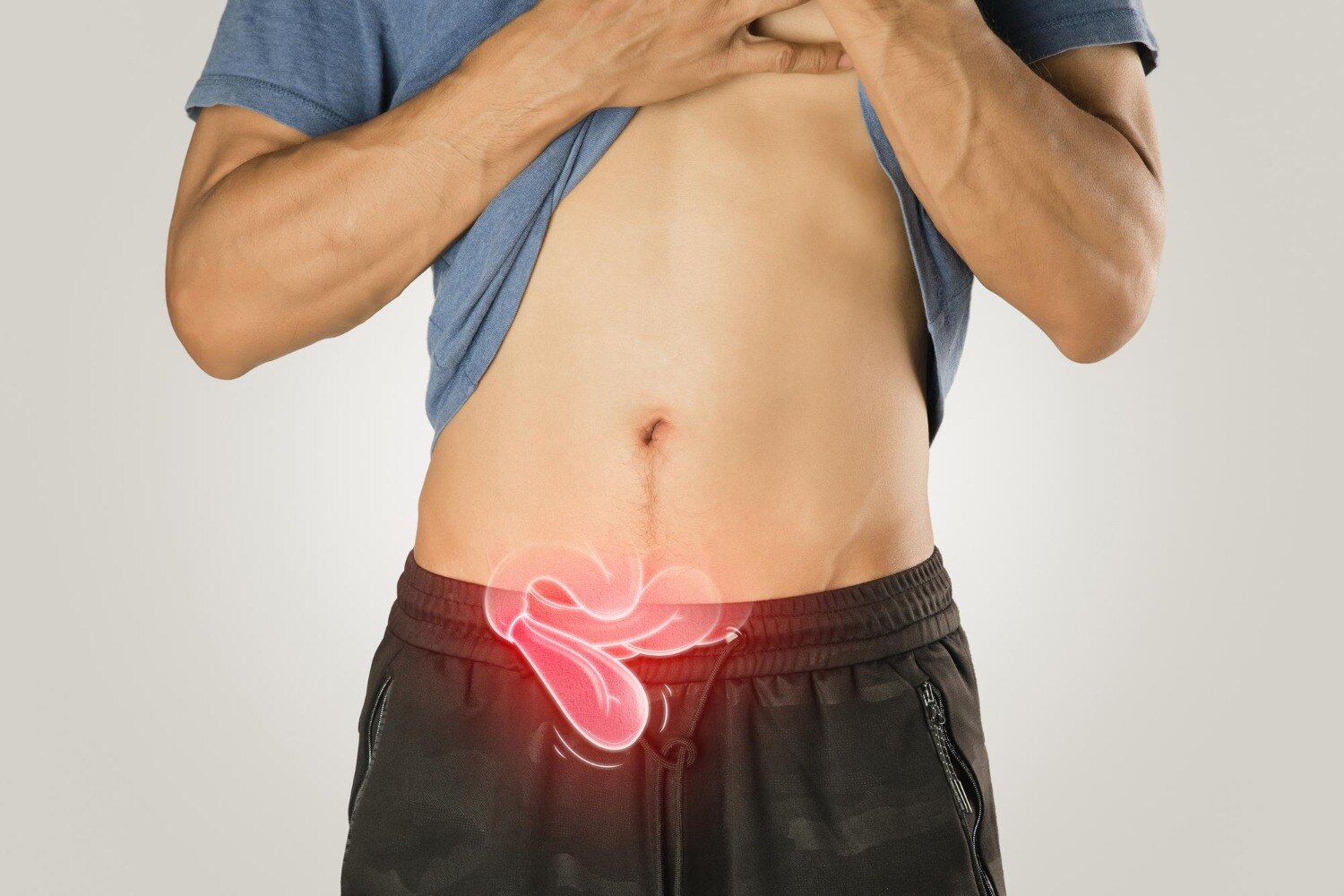
A hernia becomes more likely when you notice a lump or pressure that changes with movement. The bulge may appear while standing, coughing, bending, lifting, or straining, then shrink or disappear when you lie down. Discomfort can feel like pulling, dragging, burning, pressure, or a sharp twinge; some hernias cause no pain at all.
If you are searching for hernia symptoms in Dombivli East, check where the swelling or discomfort occurs:
- Inguinal hernia: a lump in the groin or extending towards the scrotum or labia.
- Femoral hernia: a lump below the groin crease, near the upper inner thigh.
- Umbilical hernia: a bulge at or around the navel.
- Incisional hernia: swelling through a previous abdominal surgical incision.
- Hiatal hernia: movement of the stomach through the diaphragm; it usually has no visible skin lump but can cause upper-abdominal or chest discomfort, heartburn, or regurgitation.
A lump that becomes smaller when you lie down may still need assessment. Do not force it back if it is painful.
Seek urgent medical care if the bulge becomes hard and cannot be pushed back, or if pain comes with vomiting, abdominal swelling, inability to pass stool or gas, fever, or red, purple, or dark skin over the lump.
How to tell hernia pain from other common causes
Pain alone does not confirm that a hernia is causing it. Groin or abdominal pain can come from a hip problem, muscle or tendon injury, nerve compression, urinary stone, appendicitis, or another abdominal or pelvic condition. A hernia can also exist without pain.
If you are searching for hernia symptoms in dombivli east, diagnosis still depends on an examination, not the symptom label. A clinician usually:
1. Asks where the pain occurs, what triggers it, whether it changes with standing or lying down, and whether you have noticed a lump.
2. Examines the abdomen, groin, navel, or previous incision while you stand, cough, or strain. The clinician checks whether a bulge appears, whether it can be gently reduced, and whether another condition better explains the pain.
3. Orders imaging when the examination is unclear. Ultrasound is commonly used for a suspected hidden groin hernia; MRI is considered when ultrasound is negative or nondiagnostic but suspicion remains high.
A normal-looking groin does not completely rule out a hernia, particularly when symptoms recur with lifting or coughing. Conversely, finding a small hernia does not prove it caused the pain; the timing and examination findings must match.
A surgical consultation should establish the hernia’s type, reducibility, urgency, and alternative causes before discussing repair. Do not choose laparoscopic or open surgery from pain alone; those options depend on the hernia and your health.
When a painful hernia needs emergency care
A painful lump that cannot be pushed back, especially with vomiting or abdominal swelling, needs an emergency department now. These signs can indicate obstruction or strangulation, where the bowel’s blood supply is threatened. Do not massage the lump, force it inward, or use a support belt to delay care.
| Urgency | Symptoms | What to do |
|---|---|---|
| Emergency department | Irreducible or suddenly firm lump; rapidly increasing pain; abdominal swelling; nausea or vomiting; inability to pass stool or gas; fever; red, purple, blue, or dark skin over the lump | Go immediately. Call emergency services if you are faint, severely unwell, or unable to travel safely. |
| Same-day assessment | New or worsening pain, a lump that is becoming harder to reduce, noticeable enlargement, repeated episodes after activity, or pain that limits walking, work, or eating without the emergency signs above | Contact a surgeon or urgent clinic today. Do not wait for a routine slot. |
| Routine surgical consultation | Mild, stable discomfort with a soft lump that disappears when lying down or goes back in gently, with no vomiting, swelling, fever, or skin change | Arrange an appointment to confirm the hernia and discuss repair or observation. |
Whether you seek hernia pain treatment in Dombivli East or elsewhere, the urgency depends on these symptoms, not the locality. A clinician must assess reducibility, hernia type, bowel symptoms, and other causes of pain before recommending treatment.
Which hernia treatment fits your situation
Watchful waiting is reasonable for a man with a confirmed inguinal hernia that causes no or minimal symptoms, provided a clinician confirms it is reducible and you know what changes require review. It is not “leave it forever”: pain, enlargement, difficulty pushing it back, or limits on walking, work, or exercise should trigger reassessment.
Repair becomes the practical choice when the hernia causes ongoing symptoms, restricts daily activity, enlarges, or creates concern about obstruction. Medicines, massage, exercises, and a support belt do not close the defect; a belt may offer temporary support but must not delay care for a painful, irreducible lump.
A local consultation should establish the hernia type, reducibility, urgency, and other causes of pain before choosing:
| Approach | What it involves | Where it fits |
|---|---|---|
| Open repair | One groin or abdominal incision; mesh is commonly used | Useful for many straightforward hernias and for recurrence after a previous laparoscopic or posterior repair |
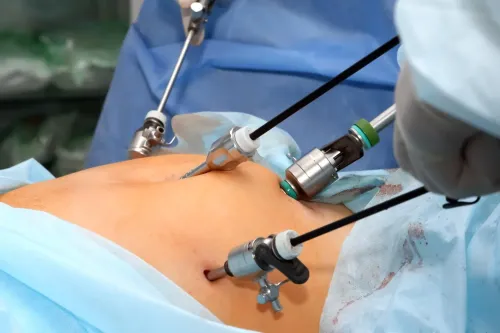
| Laparoscopic repair | Small abdominal incisions, mesh, and general anaesthesia | Particularly useful for bilateral inguinal hernias or recurrence after previous open anterior repair; requires suitable equipment and expertise |
| Either approach | Repair of the defect, followed by monitoring for recurrence and persistent pain | The best choice depends on prior surgery, hernia location, health, and surgeon experience |
For hernia pain treatment in dombivli east, Jeevanshree Hospital can help assess these factors rather than treating “keyhole” surgery as automatically safer or pain-free. Ask any hernia repair hospital in dombivli east how it monitors chronic pain and recurrence.
Related services
Laparoscopic Hernia Surgery Laparoscopic Hernia Surgery is one of the most advanced surgical procedures mainly used to remove or repair Hernia. View service → |
Hiatal Hernia Surgery Hiatal Hernia is a medical condition where a portion of the stomach protrudes through the diaphragm into the chest cavity. View service → |
How to choose and prepare for a local hernia consultation
A search for hernia repair hospital in dombivli east or laparoscopic hernia treatment near me should end with a consultation, not an automatic booking. Ask whether the examination confirms the hernia type, whether the lump is reducible, and whether another condition could explain your pain.
Ask these questions before consenting:
- Who will perform the repair, and how often do they perform this operation?
- Which approach fits my hernia, previous operations, and health: open or laparoscopic?
- Will mesh be used, and what are your rates of recurrence, wound problems, and persistent groin pain?
- What anaesthesia, hospital stay, activity restrictions, and follow-up visits should I expect?
- Which symptoms after discharge require an urgent review?
| Approach | Timing and recovery | Important trade-off |
|---|---|---|
| Open repair | Often suits a one-sided or recurrent hernia after previous laparoscopic repair; recovery depends on wound pain | Avoids abdominal entry but can cause more early groin discomfort |
| Laparoscopic repair | Useful for bilateral hernias or recurrence after open repair; requires general anaesthesia and suitable equipment | Often less early pain, but expertise and prior operations affect safety |
Smoking, uncontrolled diabetes, obesity, constipation, chronic cough, and blood-thinning medicines can delay surgery or increase wound, anaesthetic, bleeding, and recurrence risks. Ask when to stop smoking, adjust medicines, control coughing, and treat constipation. Arrange help with lifting and transport; recovery takes longer if your work involves heavy physical effort.
Frequently asked questions
What does hernia pain and a hernia lump feel like?
A hernia can cause pulling, dragging, burning, pressure, or sharp pain. Its lump may appear during standing, coughing, bending, lifting, or straining and shrink when you lie down.
How can you tell hernia pain from other common causes?
A changing bulge strongly points toward a hernia, while pain without a bulge can have other causes. A clinician needs to examine you because muscle strain, kidney stones, hip problems, and bowel conditions can feel similar.
When does a painful hernia need emergency care?
Seek emergency care for sudden severe pain, repeated vomiting, abdominal swelling, inability to pass stool or gas, or a lump that becomes firm, tender, discoloured, and cannot be pushed back.
Which hernia treatment fits your situation?
A surgeon chooses observation, open repair, or laparoscopic repair based on the hernia’s size and location, symptoms, recurrence risk, health conditions, and previous operations.
How should you prepare for a local hernia consultation?
Record when the lump and pain appear, what triggers them, whether the bulge reduces when lying down, and any vomiting or bowel changes. Bring medicine lists and previous reports.
Keywords